
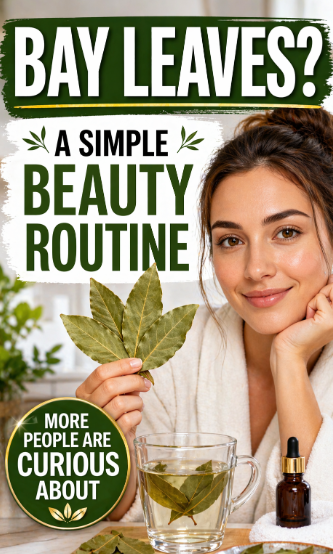
Not every beauty habit becomes popular because it is new. Some become interesting because they feel old, simple, and surprisingly easy to imagine at home. That is exactly what gives bay leaves such unusual appeal in modern beauty and wellness conversations.
For most people, bay leaves are familiar as a kitchen ingredient. They are associated with warm meals, home cooking, and traditional food preparation. But recently, more people have started looking at them through a slightly different lens. Instead of seeing them only as something that belongs in soups or stews, they are becoming curious about how bay leaves fit into slower, more natural beauty and self-care routines.
That curiosity makes sense.
Modern beauty culture can feel overloaded. New products appear constantly. Labels are long. Routines become complicated. Prices climb. And many people are beginning to miss the feeling of simple rituals that do not ask for too much. They want habits that feel calmer, more grounded, and more connected to ordinary life.
A leaf-based beauty routine fits beautifully into that desire.
It feels tactile. It feels visual. It feels almost old-fashioned in a comforting way. A few bay leaves on a tray, a warm cup in the kitchen, a quiet skincare moment, a clean home setting, and a slower pace all create a very different mood from the noise of trend-driven beauty marketing. That difference is exactly what makes the topic so strong.
 Why Bay Leaves Feel So Interesting in Beauty and Wellness Content
There are some ingredients that attract attention simply because they look and feel distinctive. Bay leaves are one of them.
They have:
- a recognizable shape
- a calm, earthy color
- a traditional kitchen identity
- a natural, rustic beauty
- a strong connection to home rituals
These qualities make them very appealing in visual content. They look elegant without trying too hard. They feel natural without seeming messy. And they immediately suggest a slower, more intentional kind of routine.
That is important because people do not only click on beauty content for results. They also click for atmosphere. They want to imagine how the routine feels. They want to picture the tray on the counter, the soft robe, the warm cup, the clean light in the kitchen or bathroom, the sense that beauty can begin with something ordinary and familiar.
Bay leaves carry that atmosphere very well.
They also fit into a larger cultural shift. More people are trying to simplify what they use every day. They are becoming more interested in traditional ingredients, quieter beauty rituals, and natural-looking routines that feel less commercial. Bay leaves sit naturally inside that trend because they already belong to daily life. They do not feel invented for beauty content. They feel rediscovered.
 How a Bay Leaf Routine Fits Into Everyday Home Life
One of the reasons bay leaves work so well as a beauty and wellness topic is that they fit naturally into the home. They do not require a special lifestyle identity. They are already familiar. They belong in kitchens, pantries, and traditional household routines.
That home-based feeling matters.
A lot of beauty advice sounds attractive online but feels disconnected from real life. It asks people to buy too much, use too many steps, or follow habits that do not fit their actual day. A simple bay leaf routine feels different. It can be imagined as part of a quiet morning, a gentle evening wind-down, or a weekend self-care ritual without much effort.
People may explore bay leaves through:
- simple infused water routines
- steam-inspired rituals
- beauty-themed home setups
- a more plant-centered self-care atmosphere
- curiosity about traditional home ingredients
This does not mean one leaf changes everything. It means the leaf becomes part of a slower and more intentional beauty mindset. That mindset is often what readers are really looking for.
They want a routine that feels possible, peaceful, and visually clean. Bay leaves help create exactly that kind of story.
 Why Traditional Plant-Based Beauty Topics Feel More Trustworthy
There is something reassuring about a beauty topic built around a simple plant ingredient rather than a dramatic claim. Traditional plant-based routines often feel more believable because they are tied to older habits, cultural familiarity, and the idea that beauty can come from consistency rather than hype.
That does not mean every traditional idea is automatically effective for everyone. It means the topic itself carries a different emotional tone.
Traditional beauty rituals often suggest:
- patience
- simplicity
- sensory care
- home preparation
- slower living
- less commercial pressure
This is part of why they continue to perform so well. Readers are tired of routines that feel overly engineered. They want a beauty habit that feels like it belongs on a bathroom shelf, a kitchen tray, or a calm weekend afternoon. Bay leaves fit that emotional picture very well.
Instead of sounding clinical or aggressive, the topic feels warm and lifestyle-driven. That is a huge advantage when writing for people who respond more to atmosphere and routine than to hard selling.
 The Ritual Side of Bay Leaves
One of the most appealing things about bay leaves in beauty content is that they naturally suggest ritual.
A bay leaf routine can feel satisfying because it includes process:
- choosing the leaves
- arranging them neatly
- preparing a simple infusion
- slowing down for a few minutes
- giving attention to ordinary ingredients
These details matter because ritual is often what transforms a simple ingredient into a memorable experience.
The most successful beauty habits are not always the most powerful on paper. Often, they are the ones that feel enjoyable enough to repeat. A routine becomes stronger when it creates a moment of care rather than one more task.
That is why bay leaves work so well in this kind of content. Their appeal is not only functional. It is sensory and emotional too. They bring shape, texture, visual calm, and a sense of traditional simplicity. And that makes the entire beauty story feel richer.
 Premium vs. Ordinary: What Makes a Bay Leaf Routine Feel Better
A bay leaf beauty routine can feel either ordinary or elevated depending on how it is presented.
A more ordinary version may feel like:
- random ingredients with no thought
- cluttered setup
- no clear purpose or mood
- poor visuals
- no connection to lifestyle
A more elevated version may feel like:
- a clean, bright home setting
- fresh or carefully stored leaves
- a simple glass or cup
- a tidy tray or towel
- a calm, unhurried atmosphere
- a beauty ritual that feels intentional
The difference is not about spending more money. It is about creating a better experience.
This matters because experience is often what makes a routine feel worth repeating. When the setup looks and feels beautiful, people are more likely to stay interested. That is why presentation plays such a big role in plant-based beauty content. It turns something simple into something desirable.
 Why Slower Beauty Habits Are Growing in Popularity
There has been a noticeable shift in how people think about beauty routines. More and more, the conversation is moving away from intensity and toward sustainability.
People want:
- fewer steps
- cleaner visuals
- more intentional products
- natural-looking routines
- simple habits they can actually maintain
That shift makes bay leaf content especially relevant now. It matches the mood of slower beauty.
Instead of saying “buy more,” it suggests “pay more attention.”
Instead of saying “transform everything,” it says “start with something simple.”
Instead of building pressure, it creates a gentler invitation.
That gentler invitation is often more powerful than aggressive beauty marketing. It feels less exhausting and more realistic. Readers can picture themselves exploring it without feeling overwhelmed.
 Common Mistakes People Make With Topics Like This
One of the biggest mistakes in beauty content built around simple natural ingredients is overpromising. Once the topic turns into guaranteed anti-aging claims or instant visible transformation, trust drops quickly.
Another common mistake is making the routine feel too vague. A plant topic becomes much stronger when it is connected to real-life habits, beauty atmosphere, and the emotional reason people are curious about it.
Other common mistakes include:
- using shock language instead of curiosity
- pushing extreme before-and-after promises
- making the ingredient sound magical
- forgetting the home-lifestyle angle
- ignoring the visual and ritual side of the topic
The strongest approach is usually the calmest one. Let the leaf be interesting. Let the routine feel beautiful. Let the reader stay curious.