
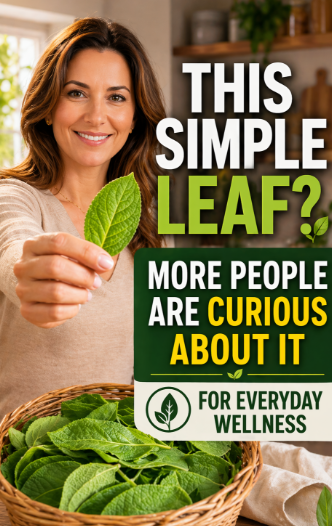
Some wellness topics become popular because they are dramatic. Others become interesting because they feel simple, familiar, and easy to imagine in real life. A single leaf held in the hand, a basket of fresh greens in the kitchen, a clean home setting, and a quiet suggestion that everyday wellness might begin with something more natural than expected — that combination is enough to make many people stop scrolling.
That is part of the reason this kind of leaf-based wellness topic keeps attracting attention.
People are tired of routines that feel too complicated, too expensive, or too artificial. They want habits that feel closer to real life. They want ingredients they can recognize. They want rituals that fit into a normal kitchen, a simple home, and an ordinary daily rhythm. A fresh leaf instantly suggests that kind of simplicity.
It feels natural. It feels practical. And most of all, it feels possible.
This is important because many wellness habits fail for one simple reason: they do not feel believable enough to keep. They may sound impressive, but they do not belong naturally in daily life. A plant leaf is different. It carries visual simplicity and everyday familiarity. It makes people curious not because it promises something loud, but because it feels like it could already belong in a calmer and more intentional routine.
That is what makes the subject so strong.
 Why Leaf-Based Wellness Topics Feel So Appealing
There is something very human about a plant habit that begins with one visible ingredient. Not a mystery powder. Not a complicated label. Just a leaf.
A leaf suggests:
- freshness
- gardening
- kitchen tradition
- slower habits
- plant-based living
- homemade routine
- a connection to nature
These ideas are powerful because they touch several lifestyle desires at once. People want to simplify what they consume. They want to feel more connected to where ingredients come from. They want their kitchens and daily routines to feel more intentional. And they want wellness to feel less synthetic.
This is exactly why leaf-based topics work so well in modern lifestyle content.
They invite curiosity without demanding extreme commitment. They also create a strong visual story. A hand holding a single leaf, a basket of greenery, warm kitchen light, and the suggestion of a home ritual all work together to create something that feels peaceful and worth exploring.
That peaceful feeling matters more than it may seem. Many people are not just looking for information. They are looking for a mood. A daily wellness habit becomes more attractive when it feels calm, sensory, and grounded.
 How a Simple Leaf Fits Into Everyday Home Life
One of the biggest reasons this topic works is that it feels easy to bring into normal home life.
A leaf is not only an ingredient. It can become part of:
- a morning kitchen routine
- a garden-to-table habit
- a warm homemade drink
- a fresh addition to food
- a simple home ritual
- a more intentional relationship with herbs and plants
This makes the whole idea much more livable than many trendy wellness systems. It does not ask for a total lifestyle overhaul. It only invites one small shift: paying attention to something natural and simple that can fit into the day without friction.
That is often where stronger habits begin.
A person may start by growing an herb plant near the kitchen window. Another may begin by adding leaves to meals more often. Someone else may simply become more curious about how certain leaves have been used in traditional routines for generations. Each of these starting points is gentle and realistic.
And realistic routines are the ones people keep.
 Why Traditional Plant Curiosity Is Growing Again
Modern audiences are increasingly drawn to plant traditions that feel older, slower, and more rooted in daily life. This is not only about health. It is also about identity, comfort, and culture.
People are starting to look again at:
- garden herbs
- leafy kitchen ingredients
- home infusions
- traditional preparation methods
- older family habits
- natural home routines that feel less commercial
A simple leaf represents all of that surprisingly well.
It feels like the opposite of modern overload. It suggests that not everything valuable needs to come in a bottle with complicated branding. Sometimes curiosity begins with what grows in a pot, what sits in a basket, or what is already known in traditional home practice.
That does not mean every leaf must become a miracle story. In fact, the most trustworthy way to explore this kind of topic is through lifestyle, routine, and cultural interest instead of exaggerated claims.
This approach is stronger in the long run. It builds curiosity without destroying trust.
 The Difference Between Curiosity and Overpromising
This is where good wellness content separates itself from weak wellness content.
Weak content often says:
- one ingredient changes everything
- one leaf solves a serious problem
- instant results are guaranteed
- one simple action replaces all other good habits
That kind of message may catch attention, but it quickly damages credibility.
Stronger content does something different. It says:
- this plant is interesting
- this habit is simple
- this routine has traditional appeal
- more people are becoming curious about it
- it may fit into a broader everyday wellness lifestyle
That tone feels cleaner, more premium, and more believable.
A simple leaf does not need to promise something impossible to be compelling. Its strength is already there in the atmosphere it creates: freshness, routine, natural living, and home-based simplicity.
 Why Small Plant Rituals Feel So Satisfying
People often underestimate the emotional value of tiny daily rituals.
A simple leaf can become part of a satisfying routine because it slows people down. It invites them to look, touch, prepare, and pay attention. That sensory element gives the habit more depth than a routine built around something processed and forgettable.
For example, a plant-based ritual may involve:
- rinsing fresh leaves
- preparing them carefully
- placing them in a drink or meal
- taking a few extra moments in the kitchen
- enjoying the visual freshness of real ingredients
These steps are small, but they create a feeling of care.
And that feeling of care is often what people are really seeking when they look for new wellness habits. They are not only looking for a better ingredient. They are looking for a better relationship with the ordinary parts of daily life.
 Premium vs. Ordinary: What Makes a Leaf Habit Feel Better
A simple leaf routine can feel either ordinary or elevated depending on how it is integrated into everyday life.
A more ordinary version may feel like:
- grabbing random ingredients without attention
- no clear routine
- no visual appeal
- little consistency
- using poor-quality leaves or stale ingredients
A more elevated version may feel like:
- a fresh, clean basket of leaves
- a calm kitchen setup
- a favorite mug or bowl
- natural light and a tidy counter
- a routine that feels intentional and pleasant
- good-quality, fresh ingredients
The difference is not luxury in the expensive sense. It is quality of experience.
When something feels pleasant, it becomes easier to repeat. That is why presentation matters even in very simple habits. A leaf in a bright kitchen can feel surprisingly more inviting than a complicated routine with no warmth or beauty.
 Common Mistakes People Make
The most common mistake is expecting too much from something simple.
A leaf-based routine works best as part of a broader everyday lifestyle, not as a magical shortcut. Another mistake is choosing drama over clarity. Once a simple plant topic gets overloaded with impossible claims, it stops feeling trustworthy and starts feeling like bait.
Other mistakes include:
- overcomplicating the routine
- ignoring food and lifestyle context
- treating one plant like a complete solution
- focusing on viral shock instead of genuine value
- forgetting that consistency matters more than intensity
The strongest version of this topic stays grounded. It lets the leaf remain interesting without making it carry impossible promises.