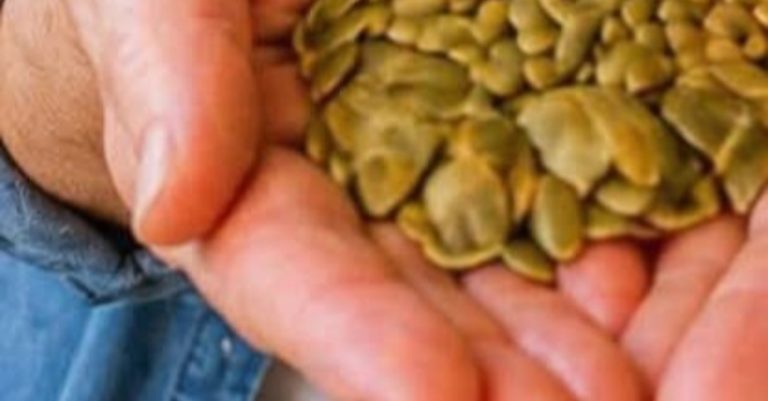
By the end of this article you will discover three seeds many nutrition experts recommend including in a balanced diet for eye and retina support and why older adults may benefit from them.Why Nutrition Matters More for Aging Eyes Than Many People RealizeMany seniors assume vision changes are simply something they must accept. While aging does influence eyesight, nutrition also plays a quiet but important role in overall eye wellness.Research in nutrition science has shown that certain nutrients support structures in the eye including the retina. These nutrients include omega three fatty acids, vitamin E, zinc, and plant antioxidants.Here is something interesting.Many of these nutrients are found in small but powerful foods such as seeds.Seeds are often overlooked because they look tiny and simple. Yet they are packed with concentrated nutrients that support many parts of the body including the eyes.According to several nutrition studies published in journals related to eye health and aging, diets rich in plant nutrients and healthy fats may help support normal eye function as people grow older.But here is the key point many people miss.It is not about eating large amounts of one food. It is about adding small supportive habits to your daily routine.Let us look at three seeds that nutrition experts often recommend for balanced eye friendly diets.Seed One Flaxseeds A Small Seed Rich in Eye Friendly NutrientsImageFlaxseeds are one of the most researched seeds in nutrition science. They are especially known for their high levels of omega three fatty acids.Why does this matter for the eyesOmega three fats play a role in supporting tear production and maintaining the surface of the eye. Some research also suggests they may support retinal cell health when included as part of a balanced diet.Flaxseeds also contain vitamin E and lignans which are plant compounds known for antioxidant activity.Antioxidants help the body manage oxidative stress which naturally increases as we age.Here are a few simple ways seniors can add flaxseeds to meals• Sprinkle ground flaxseeds into oatmeal• Mix into yogurt or soft foods• Add to smoothies or warm cereals• Stir into whole grain pancake batterImportant tipWhole flaxseeds sometimes pass through digestion without releasing their nutrients. Ground flaxseed is usually easier for the body to absorb.But that is not all.The next seed on this list is even more popular among nutrition researchers.Seed Two Chia Seeds Tiny Seeds Packed With Omega Three and FiberImageChia seeds have become extremely popular in recent years and for good reason.Despite their tiny size they contain a wide variety of nutrients including• Omega three fatty acids• Fiber• Plant protein• Magnesium• AntioxidantsFor older adults this combination can be helpful because overall nutrition supports many systems in the body including the eyes.Some studies suggest diets rich in plant omega three fats may support normal eye moisture and general eye comfort during aging.But here is the part many seniors appreciate.Chia seeds are incredibly easy to eat.When mixed with liquid they form a soft gel texture that is easy to chew and swallow.Simple ways to enjoy chia seeds include• Mixing one spoon into oatmeal• Adding to yogurt or pudding• Making chia pudding with milk• Sprinkling onto fruit bowlsMany seniors say this small habit becomes one of the easiest ways to upgrade their breakfast.But there is one more seed that deserves attention.And surprisingly it may be one that people already have in their kitchen.Seed Three Pumpkin Seeds A Zinc Rich Snack Many Seniors Already EnjoyImagePumpkin seeds are often eaten as a snack, yet many people do not realize how nutritionally dense they are.One key nutrient in pumpkin seeds is zinc.Zinc plays a role in transporting vitamin A in the body which is important for normal visual processes. Many nutrition experts consider zinc an important mineral in diets designed to support eye health.Pumpkin seeds also provide• Vitamin E• Healthy fats• Plant protein• MagnesiumTogether these nutrients contribute to overall nutritional balance which is important for aging adults.Here is a quick comparison of the three seeds discussed.Seed Key Nutrients Simple Way to EatFlaxseed Omega three fats vitamin E Mix into oatmealChia seed Omega three fiber antioxidants Add to yogurtPumpkin seed Zinc healthy fats protein Eat as snackBut remember something important.Seeds work best when they are part of a balanced diet that includes vegetables fruits healthy proteins and whole grains.Now let us talk about how seniors can add these seeds safely and easily.How Seniors Can Add These Seeds to Daily Meals Without ComplicationImageMany older adults hear about healthy foods but feel overwhelmed about how to actually include them in daily meals.The good news is that seeds require almost no preparation.Here is a simple step by step approach that many dietitians recommend.Step One Start SmallBegin with one teaspoon per day added to a meal such as oatmeal or yogurt.Step Two Rotate the SeedsUse flaxseed one day, chia the next, pumpkin seeds as a snack. Variety helps provide a broader range of nutrients.Step Three Combine With Eye Friendly FoodsPair seeds with foods such as• Leafy greens• Carrots• Berries• Whole grains• Fish rich in omega three fatsStep Four Stay ConsistentNutrition works best through long term habits rather than occasional large amounts.Here is the interesting part.Many seniors report that once they begin adding seeds regularly they notice improvements in overall diet quality because the habit encourages healthier meals.And that small change often leads to other positive habits.Final ThoughtsAging eyes are a natural part of life, but nutrition still plays a supportive role in how our bodies adapt over time. Small foods like flaxseeds, chia seeds, and pumpkin seeds contain nutrients that contribute to balanced diets often recommended for eye friendly nutrition.The key is not searching for miracle foods.Instead focus on steady daily habits.A spoon of seeds in breakfast. A small handful as a snack. A little more awareness of what supports your body as you grow older.Sometimes the smallest foods quietly make the biggest difference in daily nutrition.Frequently Asked QuestionsAre seeds safe for older adults to eat every dayFor most people seeds can be safely enjoyed in moderate amounts as part of a balanced diet. However individuals with digestive conditions or dietary restrictions may want to consult a healthcare professional before making significant changes.Which seed is best for eye nutritionThere is no single best seed. Flaxseeds, chia seeds, and pumpkin seeds each provide different nutrients. Rotating between them may provide a broader nutritional benefit.How much seed should seniors eat dailyMany nutrition experts suggest one to two teaspoons of seeds per day added to meals. This small amount is usually easy to include in a regular diet.DisclaimerThis article is for informational purposes only and does not replace professional medical advice. Always consult a qualified healthcare professional before making changes to your diet or health routine.
Worried About Aging Eyes? 3 Everyday Seeds Seniors Often Overlook