
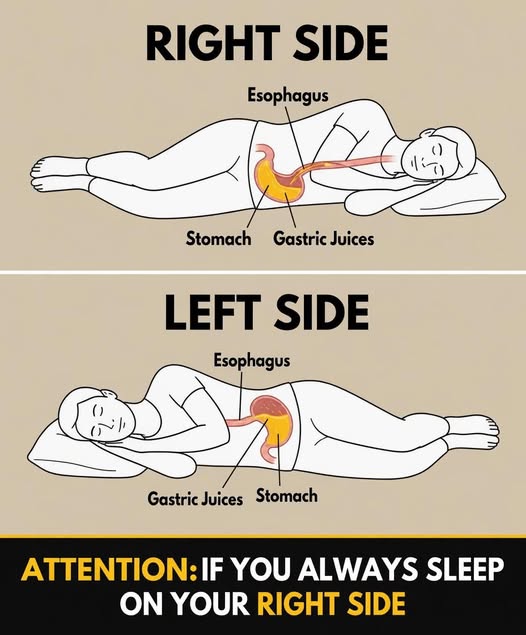
Your stomach isn’t centered—it curves to the left. The connection between the esophagus and stomach (the lower esophageal sphincter, or LES) sits higher when you lie on your left side.
- On your left side → stomach sits below the esophagus → acid stays down
- On your right side → stomach sits above or level → acid can flow upward more easily
Gravity + anatomy = less reflux on the left.
The Complete Night Routine (Step-by-Step)
3–4 hours before bed
This is where most people mess up.
- Eat your last full meal at least 3 hours before sleep
- Keep dinner:
- Moderate in size (not heavy)
- Lower in fat (fat slows digestion)
- Drink water, but don’t overfill your stomach
👉 Example:
- Good: grilled chicken, rice, vegetables
- Risky: pizza, fried food, creamy pasta
1–2 hours before bed
- Avoid:
- Snacking
- Alcohol
- Caffeine (coffee, tea, energy drinks)
- Stay upright (sitting or walking lightly)
👉 Even light activity helps digestion move food downward.
30–60 minutes before bed
- Avoid bending over or crunching your abdomen
- Wear loose clothing
- Optional: drink a small amount of water if needed
The Ideal Sleep Setup
1. Left-side position (core rule)
- Lie on your left side
- Slightly bend your knees
- Keep your spine neutral (not twisted)
2. Elevate your upper body (very important)
This is often more powerful than position alone.
- Raise head and chest 6–8 inches (15–20 cm)
- Best methods:
- Wedge pillow (most reliable)
- Adjustable bed
- Bed risers under head side
❌ Avoid:
- Stacking multiple soft pillows (can bend your neck and worsen reflux)
3. Arm & pillow positioning
- Hug a pillow to stay stable on your left side
- Place a pillow between knees to reduce spine strain
- Keep your head aligned—not tilted down
4. Stay on your left side
People often roll during sleep.
To prevent that:
- Put a pillow behind your back
- Use a body pillow
- Slightly tilt your body forward
Food & Drink Strategy (Night-Specific)
Strong triggers (especially at night)
- Fried foods
- Spicy meals
- Chocolate
- Citrus (orange, lemon)
- Tomato sauces
- Carbonated drinks
- Alcohol
Hidden triggers
- Mint (relaxes the LES)
- Onions
- Garlic (for some people)
Safer options
- Oatmeal
- Bananas
- Lean protein
- Non-acidic vegetables
Long-Term Habits That Matter
1. Weight management
Even a small reduction in abdominal fat can reduce pressure on the stomach.
2. Meal timing consistency
Your body adapts to routine digestion timing.
3. Posture during the day
Slouching compresses the stomach and can worsen reflux patterns.
4. Stress control
Stress doesn’t cause reflux directly, but it:
- Increases sensitivity
- Alters digestion
- Can worsen symptoms
When sleep position isn’t enough
If you notice:
- Burning chest pain
- Sour taste in mouth at night
- Chronic cough or hoarseness
- Frequent need for antacids
You may be dealing with GERD (Gastroesophageal Reflux Disease).
Common treatments:
- Antacids (quick relief)
- H2 blockers
- Proton pump inhibitors (PPIs)
👉 But don’t rely on meds long-term without guidance.
Important reality check
- Left-side sleeping helps, but it won’t fix severe reflux alone
- Some people still reflux due to:
- Weak LES
- Hiatal hernia
- Delayed stomach emptying
The “Optimal Combo” (Most Effective Setup)
If you only remember one thing, make it this:
✔ Left-side sleeping
✔ Upper body elevated
✔ No food 3 hours before bed
That combination gives the biggest improvement for most people.
Simple nightly checklist
Before sleeping, ask yourself:
- Did I stop eating 3 hours ago?
- Am I sleeping on my left side?
- Is my upper body elevated?
If yes → you’re doing it right.