
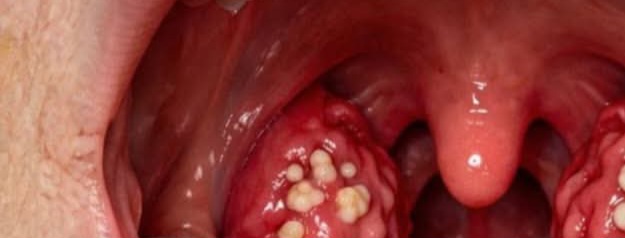
A Complete Guide to Tonsil Stones, Causes, Remedies, and Natural Care
Have you ever coughed or cleared your throat and noticed a tiny white or yellow lump with a strong, unpleasant smell? It can be surprising—and honestly, a bit alarming. The good news: this is a very common condition, and it usually isn’t dangerous.
These small lumps are called tonsil stones (or tonsilloliths). Let’s break down everything you need to know—from what they are to how you can manage them effectively at home.
🤔 What Exactly Are Tonsil Stones?
Tonsil stones are small, hardened deposits that form in the tiny crevices (called crypts) of your tonsils.
They develop through a simple process:
Food particles, mucus, and dead cells get trapped in the tonsil crypts
Bacteria feed on this debris
Minerals like calcium in your saliva harden the mixture over time
👉 They can be very small (like a grain of rice) or occasionally larger (pea-sized or more).
🤢 Why Do They Smell So Bad?
The strong odor comes from volatile sulfur compounds produced by bacteria.
These compounds are the same ones responsible for the classic “rotten egg” smell. Even a tiny stone can cause persistent bad breath that brushing alone won’t fix.
🚨 Common Signs You May Have Tonsil Stones
You might not always see them, but symptoms can include:
Persistent bad breath
Unpleasant or metallic taste
Feeling like something is stuck in your throat
White or yellow spots on tonsils
Mild sore throat
Ear discomfort (due to shared nerve pathways)
Frequent throat clearing
Small hard lumps when coughing
👥 Who Is More Likely to Get Them?
You may be more prone if you:
Have large tonsils or deep crypts
Experience frequent sinus or post-nasal drip issues
Had repeated throat infections
Are a teenager or young adult
Struggle with dry mouth
🏠 Natural and Gentle Ways to Manage Tonsil Stones
- Safe Removal (If Visible)
Use a clean cotton swab
Or a low-pressure oral irrigator
Always be gentle to avoid irritation or bleeding
👉 Rinse with warm salt water afterward.
- Daily Prevention Habits
Consistency matters more than intensity:
Gargle with warm salt water (especially at night)
Stay hydrated
Clean your tongue daily
Use alcohol-free mouthwash
Manage nasal congestion if present
🌿 Natural Tonsil Spray Recipe
A simple homemade spray may help reduce buildup over time.
Ingredients
200 ml warm water
1 teaspoon salt
3–4 drops food-grade peppermint oil or grapefruit seed extract
Method of Preparation
- Warm the water until it’s comfortable (not hot)
- Add the salt and stir until fully dissolved
- Add the peppermint oil or grapefruit seed extract
- Pour into a clean spray bottle
How to Use
Spray gently toward the tonsil area
Use 3–4 times daily
Do not swallow large amounts
👉 Many people report fresher breath and less buildup with regular use.
📊 Comparing Different Approaches
Mouthwash alone: Freshens breath temporarily
Salt water + irrigation: Helps remove stones and reduce recurrence
Natural spray: May support long-term maintenance
Medical treatment: For persistent or severe cases
🩺 When Should You See a Doctor?
Seek medical advice if:
Stones are large (over ~5–6 mm)
You feel pain or bleeding
Swelling occurs on one side only
You have frequent infections
Symptoms don’t improve with home care
❓ Frequently Asked Questions (FAQs)
- Are tonsil stones dangerous?
No, they are generally harmless. They can be uncomfortable but rarely lead to serious problems.
- Can brushing teeth prevent them?
Not completely. Oral hygiene helps, but tonsil stones form deeper in the throat.
- Do they go away on their own?
Yes, small ones often dislodge naturally when you cough, swallow, or eat.
- Can diet affect tonsil stones?
Yes. Dairy, sugary foods, and dehydration may contribute to buildup in some people.
- Is it safe to remove them yourself?
Yes—if done gently. Never force removal, as this can cause injury.
- Will they keep coming back?
They can, especially if you naturally have deep tonsil crypts. Regular care reduces recurrence.
💡 Final Thought
Tonsil stones are more common than most people think—and they’re not a sign of poor hygiene. Often, they’re simply due to the natural structure of your tonsils.