
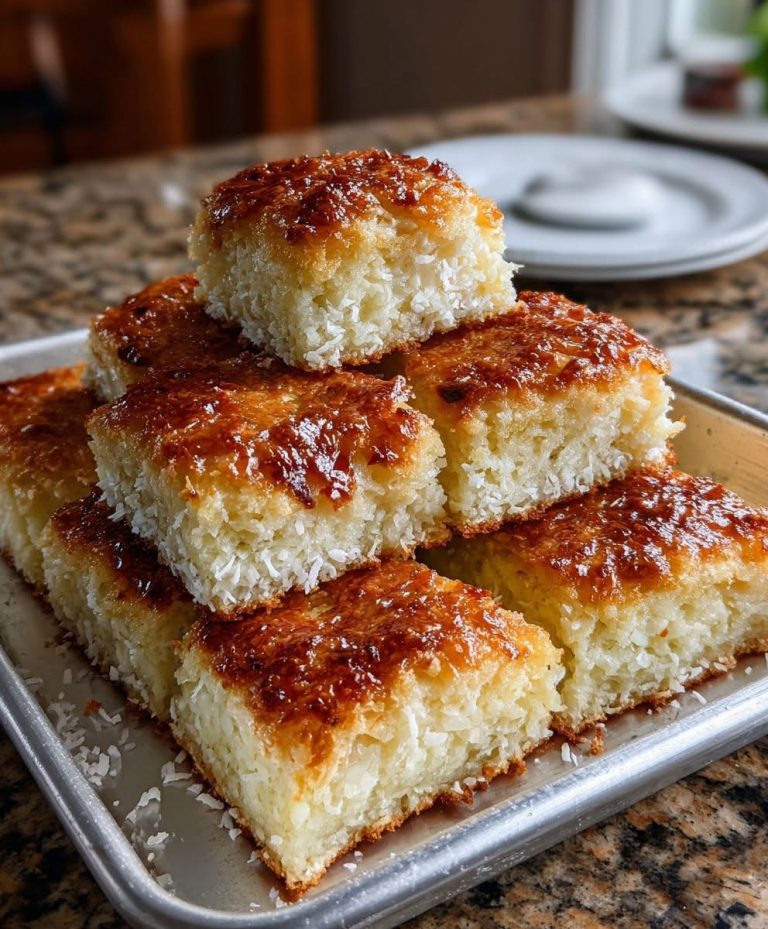
. Introduction: The Magic of the Butter Biscuit
Few foods carry the universal comfort of a freshly baked butter biscuit. It is an extraordinary culinary paradox: it relies on humble, basic pantry staples, yet requires highly precise, scientific execution. A perfect biscuit presents a crisp, golden-brown exterior shell that yields instantly to an interior filled with cloud-soft, steaming, tender layers.
The intoxicating aroma that fills a kitchen during baking stems from the rapid volatilization of milk solids and fat molecules trapped within the flour matrix. Unlike bread, which relies on a strong yeast-developed gluten web for a chewy structure, the traditional butter biscuit is an exercise in structural restraint. It is a delicate balance where chemical leavening and solid fat integration are carefully managed to achieve optimal height and flakiness.
2. History and Cultural Evolution
The Ancient Origins of Hardtack
The word “biscuit” derives from the Latin panis bis coctus, meaning “bread twice-baked.” In ancient Rome, Egypt, and medieval Europe, biscuits were not the fluffy breakfast items we know today. Instead, they were dense, moisture-free, rock-hard rounds created exclusively for survival. Sailors, soldiers, and explorers carried these early iterations (frequently called hardtack) because they could withstand months of travel without spoiling.
The Southern American Transformation
The modern, fluffy, leavened butter biscuit evolved significantly in the American South during the 19th century. Three major historical elements converged to create this shift:
- Soft Red Winter Wheat: This low-protein wheat flourished in the climate of the American South. Unlike northern hard wheat, soft wheat produces less gluten, yielding an incredibly tender crumb.
- Commercial Baking Powder: Invented in the mid-19th century, commercial chemical leaveners replaced unstable homemade pearlash and yeast starters. This allowed home bakers to rapidly lift heavy doughs without long fermentation times.
- The Accessible Butter Economy: As dairy farming expanded and home refrigeration (iceboxes) improved, solid dairy butter replaced pork lard as the primary fat source in premium households. This swap introduced a clean, sweet flavor profile and unique water-to-fat ratios that revolutionized baking physics.
3. Ingredients Profile
To consistently bake flawless biscuits, every ingredient must be selected and managed with strict attention to temperature and quality.
- Self-Rising Flour: 500 grams (approx. 4 cups). Must be derived from soft red winter wheat. It includes a built-in, evenly distributed blend of monocalcium phosphate (leavening agent) and salt.
- Unsalted Sweet Cream Butter: 225 grams (2 sticks / 1 cup). Must have an 80% to 82% butterfat content. It needs to be frozen for at least 30 minutes before preparation.
- Whole Buttermilk or Heavy Cream: 350 milliliters (approx. 1.5 cups). Must be kept completely chilled at a temperature below 4°C (39°F).
- Melted Butter (For Brushing): 30 grams (approx. 2 tablespoons). Used to coat the tops immediately after baking to seal in moisture and add a rich sheen.
4. Nutrition and Chemical Breakdown
A standard 100-gram serving of a premium homemade butter biscuit delivers a rich energy profile balanced by key macronutrients.
| Nutrient Component | Value per 100g | Dietary Purpose |
|---|---|---|
| Calories | 365 kcal | Dense, immediate cellular energy source |
| Total Carbohydrates | 42 g | Complex starches providing structural bulk |
| Dietary Fiber | 1.4 g | Minimal digestive residue |
| Total Fat | 19 g | Saturated and monounsaturated lipids for mouthfeel |
| Cholesterol | 48 mg | Sourced completely from natural dairy fat |
| Protein | 6.5 g | Weak gluten matrix development |
| Sodium | 680 mg | Enhances flavor and regulates chemical leavening |
5. Scientific Formation and Dough Chemistry
The transformation of these four ingredients into a flaky, multi-layered pastry relies on basic principles of kitchen chemistry:
The Melting Point Matrix
Butter contains roughly 80-82% milkfat, 16-18% water, and 1-2% milk solids. When frozen chunks of butter are cut into flour, they are coated in starch, creating independent pockets of fat. It is vital that this fat does not melt during mixing. If the butter melts before entering the oven, it blends directly into the flour proteins, turning into a shortbread-like dough that cannot rise.
Steam Expansion
When the cold dough enters a hot 220°C (425°F) oven, the water trapped inside those isolated butter pockets rapidly converts to steam. This expanding steam exerts upward pressure, lifting the surrounding flour sheets before the structural proteins solidify. As the steam escapes, it leaves behind hollow, delicate air pockets that form the biscuit’s signature flaky layers.
Gluten Suppression
Gluten forms when water mixes with two flour proteins: gliadin and glutenin. Kneading encourages these proteins to link into long, elastic chains. While elasticity is great for chewy pizza crusts, it makes biscuits tough and dense. Using low-protein flour and minimal handling keeps these gluten chains short, ensuring a tender, melt-in-your-mouth texture.
6. Advanced Preparation Methods
The mechanical steps used to handle the dough determine whether your biscuits will turn out flat and dense or tall and flaky.
[Freeze Butter & Chill Bowl] ➔ [Grate Butter into Flour] ➔ [Toss Mechanically]
                                                                    │
[Cut Out Biscuits (No Twisting)] ⮪ [Laminate / Fold Dough 5x] ⮪ [Add Cold Buttermilk]
               │
[Bake at 220°C (425°F)] ➔ [Brush with Melted Butter] ➔ [Serve Warm]
Method A: The Traditional Southern Rubbing Technique
- Fat Integration: Cut cold butter into 1-centimeter cubes. Drop them directly into the bowl of flour.
- Hand Flaking: Use your thumb and fingertips to rub the butter pieces into the flour, flattening them into shapes resembling cornflakes.
- Hydration: Pour in the ice-cold buttermilk all at once. Stir gently with a wooden spoon for no more than 15 seconds until a shaggy, uneven dough forms.
Method B: The Modern Frozen Grating System (Highly Recommended)
- Mechanical Grating: Take frozen blocks of butter and grate them through the large holes of a standard box grater directly into the chilled flour.
- Distribution: Use a cold metal fork to quickly toss the butter shreds in the flour until every piece is coated.
- Lamination (Folding): Turn the shaggy dough onto a floured surface. Pat it into a rectangle, then fold it in half like a book. Rotate 90 degrees and repeat this folding process exactly five times. This mechanical stacking creates dozens of alternating layers of fat and dough.
7. Step-by-Step Baking Instructions
Follow these exact steps to ensure a flawless bake:
- Preheat and Prep: Set your oven to 220°C (425°F). Line a heavy-rimmed baking sheet with professional parchment paper.
- Prep the Fat: Grate your frozen butter into the self-rising flour. Toss with a fork until the mixture is uniform and crumbly.
- Add Liquid: Pour the cold buttermilk into the center of the flour mixture. Mix gently until the dough just holds together.
- Laminate: Turn the dough onto a lightly floured surface. Press it out and fold it over itself 5 times to build clean layers.
- Shape and Cut: Pat the dough down to a thickness of 2.5 centimeters (1 inch). Take a sharp, 6-centimeter circular biscuit cutter and press straight down into the dough. Do not twist the cutter. Twisting seals the edges of the dough, which prevents the layers from rising evenly.
- Arrange the Tray: Place the cut dough rounds on your baking sheet so their edges are just touching. This close placement forces the biscuits to push against each other and rise upward rather than spreading outward.
- Bake: Place on the middle rack for 13 to 15 minutes, or until the tops turn a deep, golden brown.
- Finish: Remove from the oven and immediately brush the tops with melted butter. Allow them to rest for 5 minutes before serving.
8. Biscuit Lovers: Pairings and Varieties
The simple butter biscuit serves as a versatile canvas for both sweet and savory combinations.
- The Savory Traditionalist: Split a hot biscuit open and slide in a thick slice of hickory-smoked country ham or a pan-fried sage sausage patty.
- The Sweet Purist: Top with a generous dollop of homemade clotted cream and a spoonful of tart blackberry or raspberry compote.
- The Southern Classic: Smother warm biscuits in a rich, velvety white gravy loaded with crumbled breakfast sausage and cracked black pepper.
- The Modern Herb Infusion: Mix finely minced fresh chives, rosemary, and sharp aged white cheddar directly into the dry flour before adding the butter.
9. Health Benefits and Considerations
While butter biscuits are fundamentally a comforting indulgence, understanding their place in a balanced diet highlights a few notable benefits:
- Satiety and Lasting Energy: The dense combination of milk fats and complex carbohydrates provides a steady release of energy, keeping you full for longer.
- Bone Health Support: Because these biscuits utilize self-rising flour and authentic buttermilk, they contain notable amounts of calcium and phosphorus, which help support bone density.
- Psychological Comfort: Enjoying a warm, freshly baked biscuit triggers the release of serotonin and endorphins. This reduces stress levels through sensory satisfaction and feelings of nostalgia.
10. Conclusion: The Art of Home Baking
The timeless appeal of the butter biscuit lies in its simple ingredients and reliable preparation. It proves that you do not need exotic or expensive ingredients to create an exceptional culinary experience. By mastering temperature control and gentle handling, anyone can transform flour, fat, and dairy into light, golden layers. This recipe is more than a simple baking guide; it is an accessible celebration of classic home cooking.
If you would like to customize this recipe, let me know:
- Do you want to adjust the yield for a larger crowd or a smaller batch?
- Are you looking for substitute options like gluten-free flour or non-dairy milk?
- Would you like ideas for creative mix-ins like fresh herbs, cheeses, or sweet spices?