
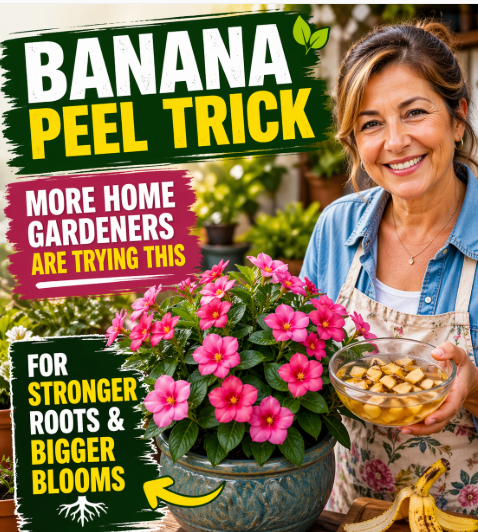
Why Banana Peels Keep Coming Up in Garden Conversations
Some garden tips become popular because they sound clever. Others keep spreading because they feel easy enough for ordinary people to try right away. Banana peels fall into the second category.
For many home gardeners, they are one of those kitchen leftovers that feel too useful to throw away. They are already sitting in the house, they cost nothing extra, and they fit perfectly into the growing interest in natural, low-waste gardening habits. That is a big reason more people are paying attention to them again.
There is also a strong emotional side to the idea. Gardeners like the feeling of turning everyday scraps into something useful. It makes the whole gardening routine feel smarter and more connected to daily life. The kitchen and the garden start working together instead of feeling like two separate worlds.
That matters because a lot of people are not looking for a complicated fertilizer system. They want something simple, affordable, and easy to remember. Banana peels feel exactly like that kind of habit.
 Why Plants Sometimes Grow Leaves but Not Flowers
One of the most frustrating garden problems is a plant that looks alive and healthy enough, but still does not bloom the way you hoped.
You water it.
You place it in decent light.
The leaves keep growing.
The stems look fine.
But the flowers either stay weak, appear very late, or never seem to come properly.
That is when gardeners begin searching for tricks that may help support the blooming stage more naturally.
Sometimes the issue is not only feeding. It can also be:
- too little sunlight
- inconsistent watering
- poor soil quality
- too much leafy growth support and not enough balance
- stress from pots, roots, or changing weather
But even with those factors in mind, many gardeners still like to add one simple supportive habit that feels gentle and practical. That is exactly why banana peels keep getting attention.
 Why Banana Peels Fit So Well Into Home Gardening
Banana peels are attractive to home gardeners because they belong to the same daily routine as the people using them.
They come from:
- breakfast
- snacks
- kitchen counters
- family meals
That familiarity is powerful. It means the gardener does not have to go buy something new just to try a simple plant-support idea. The habit begins with something already in the house.
This gives banana peels a big advantage over many commercial products. They feel:
- accessible
- low-cost
- natural
- easy to save
- easy to remember
For balcony gardeners, container gardeners, and indoor plant lovers, this kind of trick feels especially useful. It does not require a whole new system. It slips into the routine naturally.
 What Gardeners Usually Mean by the Banana Peel Trick
When people talk about the banana peel trick, they are usually referring to simple ways of turning the peel into part of a plant care routine instead of throwing it away immediately.
This may include:
- soaking banana peels in water for a short homemade plant drink
- cutting peels into smaller pieces for composting
- using them in soil-building routines
- adding them to broader homemade fertilizer habits
The main reason it gets attention is that it feels like a practical bridge between kitchen waste and plant care.
That said, the strongest gardeners do not treat it like magic. They use it as one supportive step inside a wider routine that still depends on:
- good soil
- correct light
- proper drainage
- balanced watering
- patience
That is why the trick works best when it stays simple and realistic.
 Why Banana Peels Appeal to Flower Lovers
Flower gardeners often pay extra attention to any home trick that seems connected to blooms, blossom size, or overall plant strength. Banana peels have developed a strong reputation in that space because they feel like a natural “garden helper” rather than a harsh chemical solution.
That gentle feeling matters.
Even when gardeners use store-bought fertilizer, many still enjoy adding a homemade support habit because it makes the routine feel more personal. A rose bush, hibiscus, geranium, bougainvillea, or flowering pot plant often feels more rewarding when the care routine includes little home-based touches.
That is part of the charm of banana peels. They make plant care feel homemade and thoughtful.
 Premium vs. Random: What Makes This Trick Better
A lot of gardening tips fail because people use them randomly.
A weaker version of the banana peel trick might look like:
- throwing whole peels onto the soil without thinking
- using too much
- ignoring smell or mess
- expecting instant flowers
- forgetting the plant’s actual needs
A better version looks more intentional:
- using clean peels
- applying them in a simple, manageable way
- watching how the plant responds
- keeping the routine occasional, not excessive
- combining it with better overall plant care
This difference matters. The goal is not to treat the peel like a miracle. The goal is to use it as one smart part of a healthier care routine.
 Why Natural Garden Habits Work Best With Consistency
One reason home gardeners love simple tricks is that they create rhythm. A natural habit that fits into weekly plant care is easier to keep than a complicated feeding plan that nobody enjoys.
Banana peels can become part of that rhythm because they are:
- easy to save
- easy to prepare
- easy to connect with watering day
- easy to remember
But consistency matters more than excitement. A gardener who pays attention regularly will usually do better than someone who tries one dramatic trick and expects fast transformation.
That is the real lesson behind most successful garden hacks.
 Common Mistakes People Make
The biggest mistake is expecting banana peels to solve everything on their own.
Other mistakes include:
- using peels too often
- creating smell problems in indoor pots
- ignoring sunlight issues
- overwatering while trying homemade fertilizer tricks
- feeding stressed or root-damaged plants without fixing the real problem
- expecting blooms too quickly
A strong blooming routine still depends on the basics first. Banana peels only make sense when the rest of the plant care pattern also makes sense.