
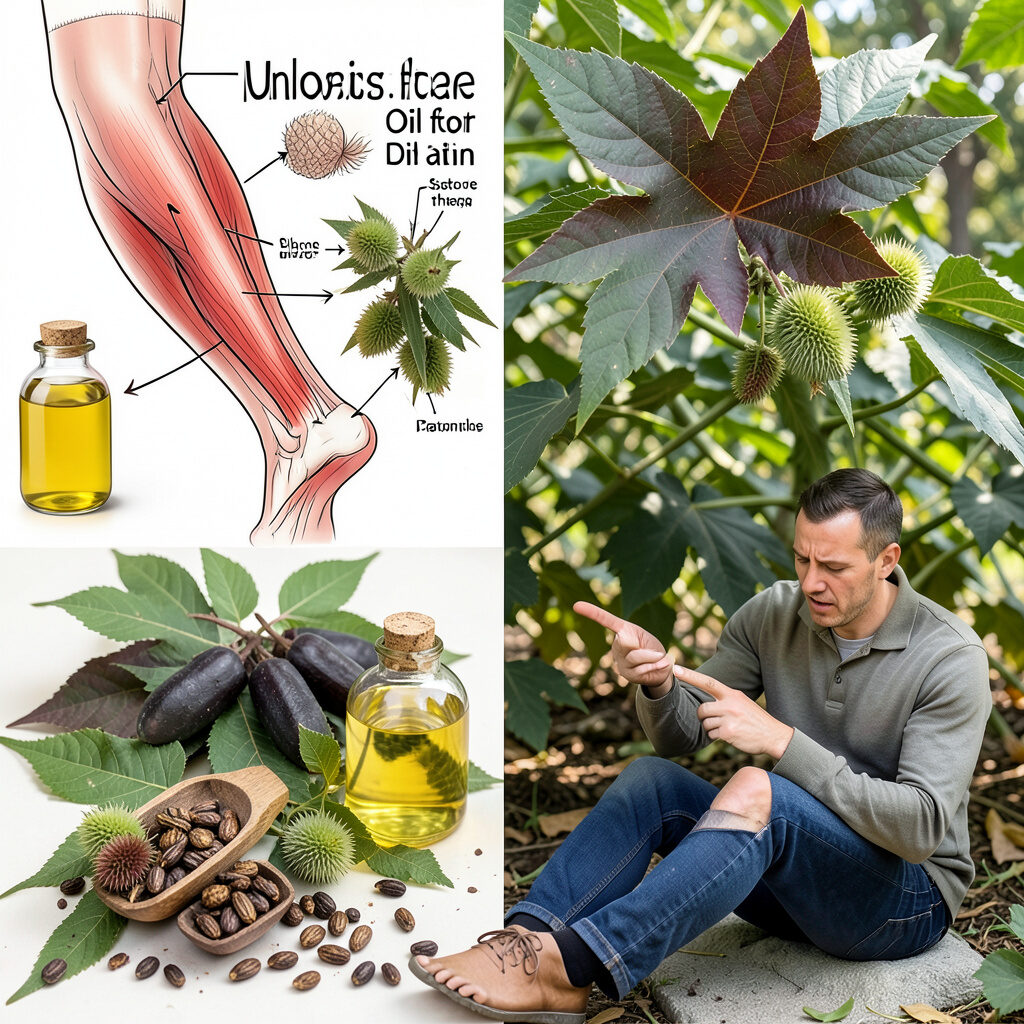
Unlocking the Potential of Castor Oil for Muscle Pain Relief
If you’ve ever experienced the discomfort of muscle pain, you likely understand the search for effective, natural remedies. Castor oil, derived from the seeds of the castor bean plant, has gained recognition for its potential in alleviating muscle aches. With its rich history in traditional medicine, castor oil has been praised for its anti-inflammatory properties and versatile applications. This article explores how castor oil can help relieve muscle pain, its benefits, application methods, and more.
The History and Composition of Castor Oil
Castor oil has been used for thousands of years in various cultures for medicinal purposes. Originating from the Ricinus communis plant, castor oil is a thick, yellowish oil that contains high levels of ricinoleic acid. This unique fatty acid is primarily responsible for the oil’s therapeutic effects.
The Historical Use of Castor Oil
Throughout history, castor oil has played significant roles in folk medicine. Ancient Egyptians utilized it as an ointment for skin conditions and as an oil for illumination. Similarly, traditional Indian medicine, known as Ayurveda, has incorporated castor oil for its purported health benefits, including digestive aid and pain relief.
Components of Castor Oil
The primary component of castor oil is ricinoleic acid, making up about 90% of its fatty acid content. This compound possesses strong anti-inflammatory properties, which can be beneficial in managing pain and inflammation in muscles. Castor oil also contains other fatty acids and antioxidants that contribute to its overall effectiveness as a natural remedy.
Understanding Muscle Pain: Causes and Symptoms
Muscle pain, or myalgia, can arise from a variety of causes, including overuse, strain, injury, or underlying medical conditions. Common symptoms associated with muscle pain include:
- Soreness or tenderness in the affected area
- Stiffness or limited range of motion
- Swelling or inflammation
- Muscle cramps or spasms
When muscles are inflamed or strained, individuals may turn to over-the-counter pain relievers, but many seek natural alternatives like castor oil for long-term relief.
How Castor Oil Can Help Relieve Muscle Pain
The potential of castor oil for muscle pain relief lies in its anti-inflammatory and analgesic properties. Scientific studies and anecdotal evidence suggest that castor oil can provide an effective solution for managing muscle discomfort. Here’s how it works:
Anti-Inflammatory Properties
Castor oil’s high ricinoleic acid content exhibits potent anti-inflammatory effects, helping to reduce swelling and inflammation in muscles. When applied topically, the oil penetrates the skin and may influence the underlying tissue, potentially alleviating pain in the process.
Pain Relief Mechanism
Ricinoleic acid interacts with certain receptors in the body that are responsible for pain perception. By binding to these receptors, castor oil may help to block pain signals in the brain, providing a soothing effect for those suffering from muscle aches.
Methods of Using Castor Oil for Muscle Pain Relief
There are several effective methods for applying castor oil to alleviate muscle pain. Below are some popular techniques to incorporate castor oil into your pain relief routine:
Topical Application
One of the most straightforward methods of using castor oil is through topical application. Here’s how to do it:
- Warm a small amount of castor oil in your hands.
- Gently massage the oil into the affected area, using circular motions.
- Allow the oil to absorb fully. For an enhanced effect, cover the area with a warm cloth or heating pad to promote deeper penetration.
Castor Oil Packs
Castor oil packs are a more concentrated treatment method. To create and use a castor oil pack:
- Start with a piece of flannel cloth or cotton.
- Saturate the cloth with castor oil, then fold it into a size that fits the affected area.
- Place the soaked cloth on the skin, cover it with plastic wrap to prevent messiness, and apply heat using a heating pad for 30–60 minutes.
This process may enhance the therapeutic effects of the oil, providing deeper penetration and relief from muscle tension.
Soaking in a Castor Oil Bath
For a relaxing experience, consider soaking in a bath infused with castor oil:
- Add 1-2 cups of castor oil to warm bathwater.
- Soak for 20-30 minutes, allowing time for the oil to absorb into your skin.
This method not only promotes muscle relaxation but can also improve overall skin health.
Precautions and Considerations
While castor oil is generally safe for topical use, there are some precautions to consider:
- Always perform a patch test before applying castor oil to ensure you do not have an allergic reaction.
- Avoid using castor oil on broken or sensitive skin.
- If you are pregnant or nursing, consult a healthcare professional before use.
- Consult your doctor if you have any underlying conditions or are taking medications that could interact with castor oil.
Conclusion: Embracing the Healing Properties of Castor Oil
Discovering natural solutions for muscle pain relief can enhance your quality of life. Castor oil has significant potential in alleviating discomfort thanks to its anti-inflammatory and analgesic properties. By utilizing methods such as topical application, castor oil packs, or infusing your bath with its healing essence, you can explore the benefits it offers.
As always, it’s prudent to consult with a healthcare professional if symptoms persist or worsen. Embrace the power of nature and consider incorporating castor oil into your routine for effective muscle pain relief.