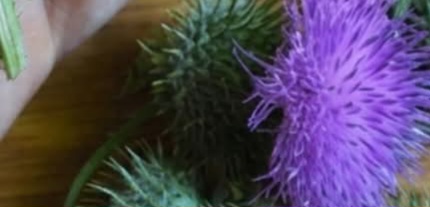
Ever feel “heavy” after meals, puffy when you wake up, or just sluggish for no clear reason?In traditional herbal medicine, that tired, boggy feeling is often linked to a sluggish liver and overworked digestion. And one of the plants people quietly turn to is a tough roadside survivor with bright purple flowers and prickly leaves – a wild thistle, often called milk thistle or wild thistle depending on the region.Most people never realize this stubborn “weed” hides gentle compounds that can help support the liver, digestion, and overall resilience when prepared as a simple herbal tea.Table of ContentsWhat Wild Thistle Does Inside Your Body1. Gentle Liver Support2. A Nudge for Digestion and Bloating3. Support for Blood Sugar and EnergySimple Wild Thistle Tea: How to Prepare ItIngredientsStep-by-StepWhen to Drink Thistle TeaBest TimesWhen You Might Notice ChangesWhy It WorksSafety, Side Effects & Who Should Avoid ItA Spiky Friend for a Tired LiverWhat Wild Thistle Does Inside Your BodyDifferent thistle species vary, but many share similar helpful qualities.1. Gentle Liver SupportThe best-known thistle, milk thistle, contains a compound group called silymarin. These plant chemicals act as antioxidants and may help:Protect liver cells from everyday oxidative stressSupport the liver’s ability to process fats, hormones, and environmental toxinsEncourage the regeneration of healthy liver cells over timeThink of it as giving your liver a bit of extra backup while it does its own job.Liver: Where It’s Located, Function & Anatomy2. A Nudge for Digestion and BloatingThistle roots and aerial parts can be mildly bitter. That gentle bitterness signals your body to:Release more digestive juicesMove bile from the liver and gallbladderBreak down fats betterThe result can be less heaviness after rich meals and a more comfortable belly over the day.3. Support for Blood Sugar and EnergySome thistle roots contain prebiotic fibers and complex carbohydrates. These may:Feed good gut bacteriaSlow down the absorption of carbohydratesHelp reduce sharp energy crashes after mealsYou will not feel “wired” from this tea – more like gently steady.Simple Wild Thistle Tea: How to Prepare ItAlways make sure you’re using the right, safely identified thistle from a trusted source (or a reputable dried-herb supplier). Never harvest from polluted roadsides or sprayed fields.Ingredients1–2 teaspoons dried thistle partsThis can include seeds, leaves, flowers, or small pieces of cleaned root1 cup hot waterOptional: a slice of lemon or a touch of honey if you need a softer tasteStep-by-StepMeasure the herbAdd the dried thistle to a teapot, mug, or heatproof jar.Pour hot waterHeat water until it’s just off the boil. Pour 1 cup over the herbs.Cover and steepLet it sit, covered, for 10–15 minutes so the beneficial compounds can infuse into the water.Strain and sipStrain out the plant material. Taste. Add a little honey or lemon if needed.Start low and slowBegin with 1 cup per day for a few days. If your body feels comfortable, you can increase to 2–3 cups spread through the day.You can also simmer sliced fresh root for 15–20 minutes for a deeper, earthier decoction.When to Drink Thistle TeaYou can time your cups to match your body’s rhythm.Best TimesMorning on an empty stomachHelps “wake up” digestion and the liver gently.20–30 minutes before your heaviest mealThe mild bitterness prepares your stomach and bile flow.Early eveningWarm tea can feel grounding after a long, stressful day.Avoid large amounts right before bed if you notice it makes you feel more alert or sends you to the bathroom more often.When You Might Notice ChangesSetting realistic expectations is important:3–7 days:Some people notice lighter digestion, less post-meal heaviness, and more comfortable bowel movements.2–4 weeks (with healthy diet + more water):You may feel more stable energy, reduced bloating, and a more regular appetite.Longer term (6–12 weeks):Potential gentle support for liver function and overall resilience, especially when paired with less alcohol, fewer ultra-processed foods, and more whole plants.Remember: slow, consistent use works better than one intense “detox weekend.”Why It WorksTraditional ViewIn European folk medicine and other herbal traditions, thistles are often considered:Liver and gallbladder alliesHerbs that help move stagnation and “thick” digestionPlants for those who feel irritable, puffy, or weighed down by their dietWarm thistle tea is used as a daily tonic, not an emergency cure.Modern ScienceResearch on milk thistle and related thistles suggests:Silymarin acts as an antioxidant and may help shield liver cells from toxins and oxidative damage.Some extracts may support healthy liver enzyme patterns in people with mild liver stress (though results vary and doses in studies are often higher than tea).The bitter and fiber components encourage better digestion, gut microbiome balance, and steadier metabolism.Science is still catching up, but both tradition and early studies point in the same direction: gentle, long-term support, not instant miracles.Safety, Side Effects & Who Should Avoid ItHerbal does not mean risk-free. Keep these points in mind:Start with small amounts (½–1 cup per day) to see how your body reacts.Possible mild side effects include loose stools, a gurgling stomach, or increased urination as your body adjusts.If you have a ragweed or daisy family allergy, you might react to some thistle species; watch for itching, rash, or breathing difficulty.If you are pregnant, breastfeeding, on liver medications, blood thinners, or managing serious liver disease, talk with your healthcare provider before using thistle regularly.Thistle tea is not a substitute for medical treatment, lab tests, or prescribed liver medications.If you feel pain under your ribs, yellowing of the skin or eyes, dark urine, or extreme fatigue, seek medical care promptly.A Spiky Friend for a Tired LiverThat stubborn thistle growing by stone walls and fields hides a surprisingly gentle gift: a warm, earthy tea that can help support your liver, digestion, and everyday energy when used consistently and respectfully.You do not need to overhaul your life in one day. Start with a single cup of thistle tea, swap one heavy meal for a lighter plate with more vegetables, and let your body tell you how it feels.Save this guide if you want to try wild thistle tea later.
How To Use The Spiky Wildflower Tea That Gently Supports Your Liver