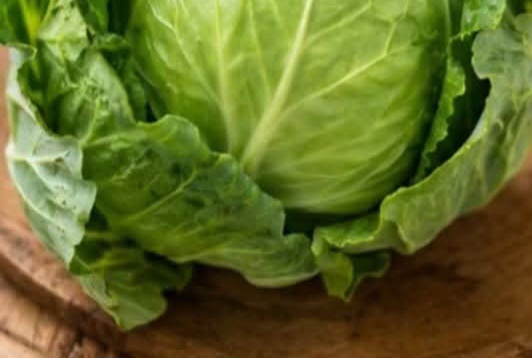
Why Cabbage Deserves More AttentionCabbage has been part of traditional European and North American kitchens for centuries. Long before expensive health supplements became popular, families relied on cabbage because it was affordable, filling, and available throughout the year.Today, nutrition researchers continue to study vegetables in the cabbage family because they contain a wide variety of naturally occurring plant compounds associated with overall wellness when included in a balanced eating pattern.These vegetables belong to the cruciferous vegetable family, alongside broccoli, Brussels sprouts, cauliflower, kale, and bok choy.Research suggests that people who regularly eat a variety of vegetables, including cruciferous vegetables, often have healthier dietary patterns overall.But that is only the beginning.What Makes Cabbage So Nutritious?One of the biggest surprises about cabbage is how much nutrition it provides for very few calories.One cup of raw cabbage contains valuable nutrients while remaining naturally low in calories.Some of its key nutrients includeVitamin C that supports normal immune functionVitamin K which contributes to normal blood clotting and bone healthFolate that supports healthy cell functionFiber that helps support digestive healthPotassium that contributes to normal blood pressure regulationSmall amounts of calcium, magnesium, and vitamin B6The colorful pigments in red cabbage also provide anthocyanins, which are natural antioxidants found in many purple and blue fruits and vegetables.Researchers believe that eating a wide variety of colorful produce may help support healthy aging.The Plant Compounds Scientists Continue to Studyhttps://images.openai.com/static-rsc-4/SrNqnJDForO3wAZsoFoYsf-nhYUnDXvjXVxgcZdr7ij-SQjd6dkPjooGYdh19h1BIsk66Cu3AjFYxK9RrwvZ-lHl00zJ3uxK4sUGu_59gB1vJtZUNhDMmNwb3aWtHHPGS4DcSspJObifd-ODy9ipdJUmxrvXUmLGHQJXoSthIv9MwwhtII9In1gyDCbJevxU?purpose=fullsizeHere is where cabbage becomes especially interesting.Cruciferous vegetables naturally contain compounds called glucosinolates.When cabbage is chopped, chewed, or lightly cooked, these compounds can be converted into substances such as sulforaphane and indole compounds.Scientists have spent years studying these naturally occurring substances because they appear to interact with normal cellular processes.However, it is important to understand the evidence correctly.Research does not show that cabbage destroys cancer or replaces medical care.Instead, studies suggest that diets rich in vegetables may be associated with a lower risk of certain chronic diseases as part of an overall healthy lifestyle.That distinction matters.No single food can prevent disease on its own.Healthy eating works because of consistent habits over many years.Cabbage and Healthy Aginghttps://images.openai.com/static-rsc-4/rBmF5EefRbQUjBuS6HNxy7MN-x0aS9wj6uyTevaxWuoV3xly4BClKrm8Rx1GqbXParApK7hI9LYAspDQhDDwKzeycpiqhrr8USSfDnTT8wTX2gO_qA-4Ci3qqrZlPqjFuIdh2o8gCEdL_4kiLcYp0w0uHtl4_dDIER2-DUus_dbMLoi0o85uMzJCZq8Kb7Nx?purpose=fullsizeAs we age, nutrition becomes even more important.Many adults over sixty eat fewer vegetables than recommended.Replacing processed side dishes with vegetables like cabbage may help improve overall diet quality.Potential benefits of including cabbage regularly includeSupporting digestive comfort through dietary fiberHelping increase vegetable intake without increasing calories significantlyProviding antioxidants that help protect cells from normal oxidative stressSupporting heart healthy eating patternsHelping create satisfying meals because of its fiber contentThese benefits come from cabbage being part of an overall nutritious eating pattern rather than acting as a miracle food.Green Cabbage vs Red Cabbagehttps://images.openai.com/static-rsc-4/Qx_LEpiLcTjLP57AxOO8lz9p4IYYmF1w9k1ekOE7pj06tFubJXFY6UW1iODrQE3yDjDAN_7nhIUykXgHTjGGEo-w_FdJM-YVk_4n_nkU5-gDpZhQKui8zXp7NKGTfFd3XtsGdy8AuDmNhUzB3j9JlPVhJ9CsGoeqnkQeGky-DCg2ACHAad2BJvFEtBc3skkj?purpose=fullsize| Feature | Green Cabbage | Red Cabbage || | | || Flavor | Mild | Slightly peppery || Vitamin C | Excellent source | Excellent source || Anthocyanins | Very little | Rich source || Best for | Soups, stir fries, salads | Salads, slaws, roasting || Texture | Tender | Slightly firmer |Both varieties are excellent choices.Choosing whichever fits your meals best is more important than worrying about which is “healthier.”The Best Ways to Prepare CabbageHere is something many people never hear.How you prepare cabbage may influence the availability of some of its beneficial plant compounds.Simple tips includeFirst, chop cabbage and let it sit for about ten minutes before cooking.This allows natural plant enzymes to work before heat reduces their activity.Second, avoid overcooking.Light steaming or quick stir frying generally preserves more nutrients than prolonged boiling.Third, enjoy some cabbage raw.Coleslaw made with a light vinaigrette instead of heavy mayonnaise can be a refreshing option.Fourth, combine cabbage with healthy fats.Olive oil, nuts, or seeds may help improve absorption of certain fat soluble nutrients from the overall meal.Finally, add cabbage to soups during the final minutes of cooking rather than letting it simmer for an hour.Small changes like these can make meals both tastier and more nutritious.Delicious Ways to Eat More CabbageIf cabbage reminds you of bland boiled vegetables from childhood, it is time to rethink it.Try these easy ideasAdd shredded cabbage to tacosMix into vegetable soupsStir fry with garlic and mushroomsRoast cabbage wedges with olive oilMake fresh cabbage slaw with applesAdd thin slices to sandwichesMix into grain bowlsInclude it in homemade vegetable soupThe goal is not perfection.It is finding one or two recipes your family actually enjoys.Common Myths About Cabbagehttps://images.openai.com/static-rsc-4/1GnX7R_QsVclCTl2yIvA9ojnNRhHasU-98EoWKpDN5mZuDXGJAVe635k5l0NRAEXL9APqsf9eWmXTE26GMMvjeSbOxVGmkI8J8_TjaBLy1h8wxjEasEMgaj2BqsUetxnu5HVMaH3GAIY0oCb_usd0Q7_FH1UouWct3CPiOzQd-jrvMN86n0CUoPyD1ojk-_j?purpose=fullsize| Myth | Reality || | | || Cabbage is only for weight loss | It is simply a nutritious vegetable that fits many eating styles. || Cabbage can replace medical treatment | No food replaces professional medical care. || Cooking destroys everything | Gentle cooking still preserves many nutrients. || Expensive superfoods are always better | Affordable vegetables can also provide outstanding nutrition. || You need to eat cabbage every day | Variety remains one of the most important principles of healthy eating. |The truth is refreshingly simple.Consistency beats extremes every time.A Practical Weekly Planhttps://images.openai.com/static-rsc-4/otyC50yBn6vdqg0TwkAaGUJH2pfKC8apxLsAkH7Ko3iHeeuo6F9u1eQP3Z77qsr6cluDSAVrGvZCdvbFOCqY8ncP1faF9c5oaxpFwxmStTsELjteMX3NJnVniyYSXhqRMX78cMUctyXnDtVyrRUOQGUfcNyWaGAY8OMxeFr6n12sVctOxGf9owLdsxkYnArR?purpose=fullsizeInstead of making dramatic dietary changes, try this realistic approach.MondayAdd shredded cabbage to your lunch salad.TuesdayServe roasted cabbage with baked chicken or fish.WednesdayEnjoy vegetable soup with chopped cabbage.ThursdayMake a crunchy cabbage slaw.FridayAdd cabbage to a stir fry.WeekendPrepare a large batch of vegetable soup that includes cabbage for easy meals during the week.These small habits are easier to maintain than restrictive diets.What Research Really Sayshttps://images.openai.com/static-rsc-4/9FH18Bg0kLkjICL5F1TaH1WFx5AwqD_qNiLzBigMWPiVv3ICV9-O51HL3L8rXUTjykNoI7IjoctSdMcC2Khiao3_8KYuUUKwjRR-h9L4kqkHze_PzYfZS7MRwW_3M3oBx4s9UeaXgSuAoDo33ztrMXdyLV1AmoTqVN6YZraALluuWuVByKa_ntzdg9sh5nf9?purpose=fullsizeNutrition science rarely offers simple yes or no answers.Current research generally supports these conclusions.People who eat more vegetables often experience better long term health outcomes.Cruciferous vegetables continue to be actively studied because of their unique natural compounds.However, scientists also emphasize that overall dietary patterns matter far more than any individual food.Regular physical activity, adequate sleep, avoiding tobacco, managing stress, and maintaining a healthy body weight remain essential parts of healthy aging.No vegetable can compensate for unhealthy lifestyle habits.That perspective is both realistic and encouraging.Simple Action Steps You Can Start TodayChoose one cabbage recipe this week instead of waiting for the “perfect” diet.Keep one cabbage in your refrigerator because it stores well for weeks.Include cabbage alongside other colorful vegetables instead of relying on only one type.Aim to fill at least half your plate with vegetables at lunch and dinner whenever possible.Remember that small improvements repeated consistently often produce bigger long term benefits than short bursts of perfection.ConclusionCabbage may never become the trendiest vegetable in the produce aisle, but it has quietly earned the respect of nutrition researchers for good reason.It is affordable, versatile, rich in vitamins, naturally high in fiber, and contains unique plant compounds that continue to be studied for their role in healthy eating patterns.The biggest lesson is not that cabbage is a miracle food.It is that ordinary foods, eaten consistently as part of a balanced lifestyle, can make an extraordinary difference over time.Sometimes the healthiest choice is not the most expensive one.It is the one that has been sitting in the grocery store all along.Frequently Asked QuestionsIs cabbage good for older adults?Yes. Cabbage provides fiber, vitamin C, vitamin K, and other nutrients that fit well within a balanced diet for many older adults. Individual dietary needs may vary, especially for those taking medications or managing specific health conditions.Is raw cabbage healthier than cooked cabbage?Both offer nutritional benefits. Raw cabbage preserves certain heat sensitive nutrients, while lightly cooked cabbage can still provide valuable vitamins, minerals, and beneficial plant compounds.How often should I eat cabbage?There is no specific recommendation to eat cabbage every day. Including cabbage several times each week as part of a varied diet rich in vegetables is a practical approach for most healthy adults.Medical DisclaimerThis article is for educational purposes only and should not be considered medical advice. It does not diagnose, prevent, or treat any medical condition. If you have a medical condition, dietary restrictions, or concerns about your health, consult your physician or a qualified healthcare professional before making significant changes to your diet
Could This Everyday Cabbage Habit Be One of the Smartest Choices for Healthy Aging?