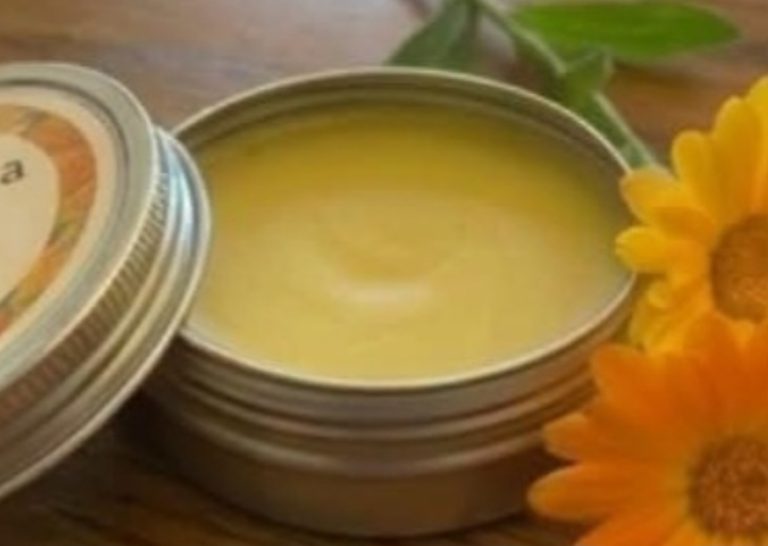
What Is Calendula?Calendula officinalis is a flowering herb often called:pot marigoldcalendula flowerIt has long been used in traditional herbal preparations for skin-focused wellness routines.People researching calendula skin benefits are often interested in its traditional use in:dry skin routinessoothing herbal balmsskin comfortherbal-infused oilsCalendula is especially popular in DIY healing salve recipes because the flowers infuse well into oils.How To Harvest Calendula FlowersCalendula flowers are usually harvested when:fully openbright in colordry from morning dewTable of ContentsHarvesting TipsSimple Drying MethodStep 1 — Fill The JarStep 2 — Add OilStep 3 — InfuseStep 4 — StrainStep 1 — Heat OilStep 2 — Melt BeeswaxStep 3 — Pour Into ContainersStore In:SourcesHarvesting Tipsuse clean scissorsavoid damaged flowersharvest during dry weatherpick regularly to encourage new bloomsFresh flowers contain moisture, so many herbalists prefer drying them before oil infusion.How To Dry Calendula FlowersDrying helps reduce the risk of mold during oil infusion.Simple Drying MethodSpread flowers on a clean tray or screen.Keep in a warm dry area with airflow.Avoid direct sunlight.Let dry for several days until petals feel crisp.Dried flowers are commonly used in homemade herbal balm recipes because they store longer and infuse more safely.How To Make Calendula Infused OilCalendula oil is the foundation of most calendula salve recipes.Ingredients1 cup dried calendula flowers2 cups olive oil or sweet almond oilclean glass jarInstructionsStep 1 — Fill The JarPlace dried calendula flowers into a clean glass jar until about halfway full.Step 2 — Add OilPour oil over the flowers until fully covered by at least 1 inch.Stir gently to release air bubbles.Step 3 — InfuseSeal jar tightly and store in:warm locationindirect sunlightLet infuse for:3–6 weeksShake lightly every day or two.People searching for how to make calendula oil often use slow infusion methods because they preserve the plant’s natural compounds more gently.Step 4 — StrainAfter infusion:strain through cheeseclothremove flower materialstore oil in clean jarsYour calendula oil is now ready for salves, balms, and herbal skincare recipes.Homemade Calendula Salve RecipeThis simple homemade herbal balm recipe is beginner-friendly and easy to customize.Ingredients1 cup calendula infused oil2 tbsp beeswax pelletsoptional essential oilssmall tins or jarsInstructionsStep 1 — Heat OilAdd calendula oil to a double boiler over low heat.Step 2 — Melt BeeswaxAdd beeswax and stir until fully melted.For a firmer salve:add slightly more beeswaxFor a softer balm:use slightly lessStep 3 — Pour Into ContainersCarefully pour mixture into tins or jars.Let cool completely before sealing.How To Use Calendula SalveHomemade calendula salve is commonly used in natural skincare routines for:dry areasrough skinsoothing herbal massagedaily skin careMany people who enjoy DIY healing salve recipes keep small tins available for general skincare use.Storage TipsTo keep your herbal balm fresh:Store In:cool dry areaaway from sunlightsealed containersCalendula salve can often last:6–12 monthsdepending on ingredients and storage conditions.Important Safety NotesEven natural skincare remedies can cause irritation in some individuals.Before using:patch test firstavoid contaminated herbsdiscontinue use if irritation occursPeople with allergies to plants in the daisy family should use caution.This article is for educational purposes only and not medical advice.Why Calendula Remains Popular In Herbal SkincareCalendula continues to be one of the most popular herbs in homemade skincare because it is:beginner-friendlyeasy to growvisually beautifulversatile in herbal preparationsFrom calendula infused oil to homemade herbal balm recipes, it remains a favorite in traditional herbal wellness communities.Final ThoughtsLearning:how to dry calendula flowershow to make calendula oilhow to create a homemade calendula salve recipeis a great introduction to herbal skincare preparation.Simple ingredients, careful preparation, and proper storage can help you create a natural herbal balm that fits easily into a gentle skincare routine.As with all herbal remedies, use responsibly and consult a healthcare professional for serious skin conditions or concerns.SourcesAmerican Botanical CouncilNational Center for Complementary and Integrative Health (NCCIH)Herbal AcademyMount Sinai Integrative Medicine ResourcesUniversity of Maryland Herbal Medicine DatabaseUSDA Plant Database
Calendula Salve Recipe: Traditional Herbal Skin Balm Full Guide