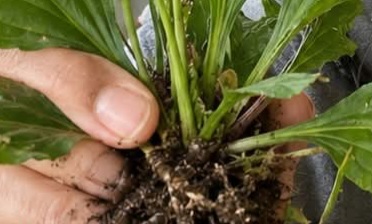
The Mucilage ShieldBroadleaf plantain works like a natural varnish brushed across cracked wood. The leaf’s mucilage swells in water and turns the tea into a slick, protective rinse that clings where irritation lives instead of racing straight through the body.That’s why a rough throat can feel less like sandpaper after a warm cup. The sensation changes fast: the scratch softens, the swallow loosens, the cough reflex stops firing like a broken alarm.For people with that constant “something’s stuck in my chest” feeling, this is the part that hits first. Not a miracle. A coating. A physical buffer between irritated tissue and the world beating on it.But here’s what gets ignored: the same leaf that quiets the throat also carries compounds that help the body handle the kind of internal rust that keeps circulation sluggish. That’s where the story gets bigger.Because once the airways stop screaming, the bloodstream starts telling its own truth.The Circulatory ResetThink of your blood vessels like narrow garden hoses with grit inside them. When the flow gets rough, everything downstream feels it — energy, warmth, recovery, that clean “awake” feeling in your body.Broadleaf plantain brings in flavonoids and iridoid compounds that act like rust-stripping agents and fire-smothering compounds at the same time. They help the body calm the internal sparks that make circulation feel sticky and tired.That’s why some people notice a strange, almost unfair shift after a few days of consistency: less heaviness, less drag, less of that lead-in-the-limbs feeling by late afternoon. The body moves like it’s no longer fighting itself every hour.Wall Street doesn’t build empires around a leaf growing by the driveway. That’s exactly why this plant got ignored for so long. It’s too common, too cheap, too impossible to slap on a shiny label and sell for a fortune.And yet the mechanism is plain once you see it: protect the irritated lining, cool the internal burn, and give the system a cleaner path to move fluid, air, and fuel. The next shift shows up in places people rarely connect to a “weed.”When the Body Feels the DifferenceThe first place many people feel the change is the chest. That dry, nagging tickle that keeps you clearing your throat all day starts to back off, like a radio static finally being tuned down.Warm plantain tea slides over the throat like a cool cloth on sunburned skin. The steam rises with a green, grassy smell, and the swallow feels less sharp, less defensive, less like the body is bracing for impact.Then comes the second payoff: steadier internal flow. When the body isn’t burning through energy managing irritation, it stops acting like a car stuck in low gear. The afternoon crash gets smaller. The heavy, fogged-out feeling loosens its grip.That’s the recognition point for a lot of people — especially anyone who has spent years thinking, “This is just what aging feels like.” No. Sometimes your body is simply overloaded, dried out, and underfed with the raw biological fuel it needs to reset.And there’s one more place this leaf earns its reputation, because the outside of the body often reveals the same problem the inside is fighting…The same plant that quiets a rough throat can also calm angry skin.The Skin and Wound ResponseCrushed plantain leaf has long been used on scrapes, bites, and irritated skin because it pulls double duty: it helps draw out surface irritation while laying down a cooling, plant-based barrier. It’s like putting a damp dressing over a hot, angry spark before it spreads.That matters because open skin is just another place the body is trying to hold the line. When the area is red, itchy, or stinging, plantain gives the tissue a chance to stop flinching and start settling.Press the leaf between your fingers and you feel it give — soft, fibrous, alive. That texture is part of the story. It’s not some brittle, dried-up thing; it’s a living green tool built to calm, coat, and protect.So the real surprise isn’t that this plant works. It’s that one humble leaf can support the lungs, the blood, and the skin without needing a lab coat or a marketing budget. The only catch is the part almost everyone gets wrong.The Wrench That Ruins the Whole ThingDon’t harvest it from the roadside. Broadleaf plantain is a survivor, which means it happily grows where exhaust, fertilizer runoff, and dirty dust settle into the leaves like invisible grit.That dark green surface may look clean, but under a close eye it can carry the kind of contamination that turns a healing cup into a problem. You can smell the difference when leaves come from a clean patch: fresher, greener, almost sweet in the steam instead of flat and stale.Use clean ground, clean hands, and hot water that’s not violently boiling. Too much heat strips the very compounds you’re trying to keep alive.And the next detail is the one that decides whether your tea lands softly — or lands dead.P.S. The biggest mistake is pouring water at a rolling boil straight over the leaves. That scorches the plant and wrecks the delicate compounds before they ever reach your cup. Let the kettle rest a few minutes after boiling, then steep the leaves covered so the steam stays trapped with the medicine. The next piece most people miss is what to pair plantain with so its protective effect hits harder.This article is for informational purposes only and does not replace professional medical advice. Please consult your healthcare provider for personalized guidance.
Broadleaf Plantain + The Hidden Flush Your Lungs and Blood Needed