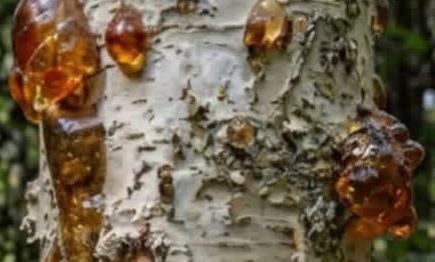
What This Traditional Remedy Is Used ForThis remedy is usually associated with external use, not as a daily drink.People traditionally turn to birch-like tree resin preparations for:Dry, rough skinMinor surface irritationProtective skin coatingSimple folk-style balmsSeasonal skin support in harsh weatherThe appeal is easy to understand. Resin creates a natural barrier-like layer, while honey adds softness and a familiar soothing quality.Birch Tree Resin Remedy You May Not Know: A Traditional Skin-Soothing Balm With HoneyIngredientsA simple traditional-style version uses only a few ingredients:2 to 3 tablespoons clean tree resin from a correctly identified birch or similar safe-use tree1 tablespoon raw honey1 to 2 teaspoons gentle carrier oil, such as olive oil, if you want a softer spreadable textureThis makes a small batch for external use.How to PrepareThis remedy should be made gently and carefully.Step 1: Clean the resinUse only clean, naturally hardened resin collected from a safe tree source. Remove bark debris, dirt, or insects.Step 2: Soften it slowlyPlace the resin in a heat-safe container and warm it gently using a double-boiler style method. Do not place it over aggressive direct heat. The goal is only to soften it.Step 3: Add the honeyOnce the resin softens, stir in the honey slowly. If the mixture feels too thick, add a small amount of carrier oil.Step 4: Mix until smoothKeep stirring until the mixture becomes thick and evenly blended.Step 5: Let it coolTransfer it into a clean small jar and let it cool before use.How to Use ItThis kind of remedy is usually used as a topical application.For dry or rough skinApply a very thin layer to clean skin and leave it on for a short period.For small external areasUse it only on minor surface areas that need softening or protection.Best time to useMany people prefer using a balm like this in the evening, when the skin can rest undisturbed.Why People Believe It WorksTraditional forest remedies often rely on texture as much as plant compounds.Resin creates a protective layerTree resin is naturally sticky and coating. That is one reason it has been valued in folk skin applications.Honey adds softnessHoney is often included in home remedies because it helps the mixture feel less harsh and more skin-friendly.The combination feels rich and sealingTogether, resin and honey create a thick, comforting blend that many people associate with protecting dry or stressed skin.Who May Benefit MostThis traditional remedy may appeal most to people who:Like forest-based herbal remediesPrefer simple external preparationsWant a thicker natural balm for rough skinEnjoy traditional plant-and-honey skin applicationsIt is especially attractive to people who appreciate old-style remedies made with very few ingredients.Quick Relief TimelineThis remedy is usually comfort-based, not dramatic.Some people notice the skin feels more protected or softened within the same day. For roughness or dryness, it may take several days of careful use to notice a more visible difference.The main benefit is usually the protective, coating feel rather than an instant transformation.Safety NotesThis part matters most.Use this remedy externally only unless guided by a qualified expert.Do not apply to deep wounds, infected skin, burns, or large irritated areas.Test a very small patch first, because resin and honey can both trigger sensitivity in some people.Make sure the tree is correctly identified before collecting anything.Do not use resin taken from contaminated or chemically treated areas.Stop immediately if the skin becomes more red, itchy, or uncomfortable.If skin symptoms are severe, spreading, painful, or not improving, proper medical care matters more than any home remedy.Final TakeawayBirch tree resin mixed with honey is a traditional-style external remedy people use for skin protection, rough patches, and simple forest-inspired care. Its value comes from its thick, coating texture and its old reputation as a practical natural balm.It may look unusual at first, but sometimes the most interesting traditional remedies are the ones hidden in plain sight on a tree trunk.
Birch Tree Resin Remedy You May Not Know: A Traditional Skin-Soothing Balm With Honey