
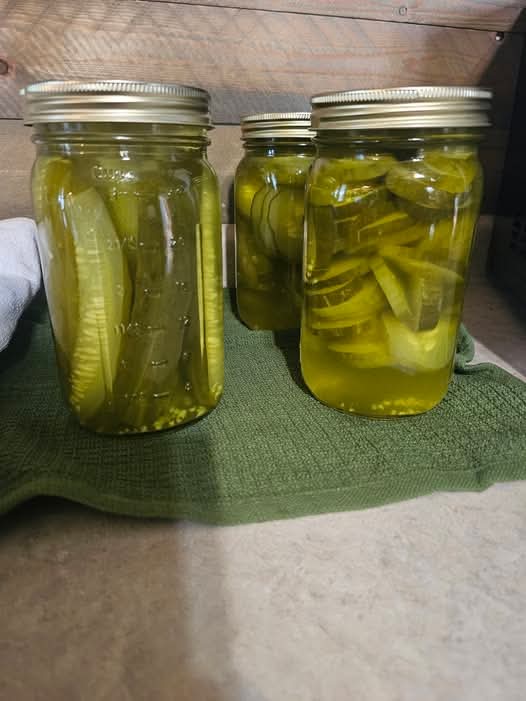
Ingredients
For the Pickles
- 2 pounds small pickling cucumbers
- 8 cloves garlic, peeled
- 8 fresh dill sprigs
- 2 teaspoons black peppercorns
- 2 teaspoons mustard seeds
For the Brine
- 2 cups white vinegar
- 2 cups water
- 2 tablespoons kosher salt
- 1 tablespoon granulated sugar
Optional Add-Ins
- Red pepper flakes
- Jalapeño slices
- Coriander seeds
- Bay leaves
- Fresh thyme
Equipment Needed
- Large saucepan
- Measuring cups and spoons
- 4 pint-sized glass jars with lids
- Funnel (optional)
- Tongs
- Clean kitchen towels
Choosing the Best Cucumbers
The secret to crunchy dill pickles begins with selecting the right cucumbers.
Look for:
- Small to medium-sized pickling cucumbers
- Firm texture
- Deep green color
- No soft spots
- Freshly harvested cucumbers when possible
Avoid waxed cucumbers, as they may prevent the brine from penetrating effectively.
Step 1: Prepare the Cucumbers
Wash the cucumbers thoroughly under cold water.
Remove any dirt or debris.
Trim approximately 1/16 inch from the blossom end of each cucumber. This small step helps maintain crispness during pickling.
You may leave the cucumbers whole or cut them into spears or slices depending on your preference.
Time Required
10 minutes
Intensity
Low
Step 2: Prepare the Jars
Wash jars, lids, and rings with hot soapy water.
Rinse thoroughly.
Place the following ingredients into each jar:
- 2 garlic cloves
- 2 dill sprigs
- ½ teaspoon mustard seeds
- ½ teaspoon peppercorns
Pack cucumbers tightly into the jars.
Leave approximately ½ inch of space at the top.
Time Required
10 minutes
Intensity
Low
Step 3: Make the Dill Pickle Brine
In a medium saucepan combine:
- White vinegar
- Water
- Kosher salt
- Sugar
Place over medium heat.
Stir continuously until the salt and sugar dissolve completely.
Bring the mixture to a gentle simmer.
Once dissolved, remove from heat.
Time Required
5–10 minutes
Intensity
Medium
Step 4: Fill the Jars
Carefully pour the hot brine into each jar.
Ensure the cucumbers are fully submerged.
Leave about ¼ to ½ inch of headspace.
Use a clean utensil to remove trapped air bubbles.
Wipe jar rims clean and secure lids tightly.
Time Required
5 minutes
Intensity
Low
Step 5: Cool and Refrigerate
Allow the jars to cool completely at room temperature.
Transfer the jars to the refrigerator.
The pickles will begin developing flavor after 24 hours.
Recommended Pickling Times
- Good Flavor: 24 hours
- Better Flavor: 3 days
- Best Flavor: 7 days
Intensity
None
How to Serve Dill Pickles
These homemade dill pickles can be enjoyed in countless ways.
Sandwiches
Add crunchy pickle slices to sandwiches and wraps.
Burgers
Serve alongside hamburgers and cheeseburgers.
Charcuterie Boards
Pair with meats, cheeses, nuts, and crackers.
Salads
Chop into potato salad, pasta salad, or tuna salad.
Snacks
Enjoy directly from the jar for a refreshing snack.
Expert Tips for Extra Crunchy Pickles
Use Fresh Cucumbers
Fresh cucumbers provide the best texture.
Trim the Blossom End
This helps prevent softening.
Keep Cucumbers Cold
Refrigerate cucumbers before pickling for maximum crunch.
Don’t Overheat the Brine
A gentle simmer is sufficient.
Allow Enough Pickling Time
Flavor improves significantly after several days.
Delicious Flavor Variations
Spicy Dill Pickles
Add:
- Jalapeño slices
- Red pepper flakes
- Serrano peppers
Garlic Dill Pickles
Double the garlic quantity for bold flavor.
Herb Dill Pickles
Add fresh thyme, rosemary, or oregano.
Sweet Dill Pickles
Increase sugar to 2 tablespoons.
Peppery Dill Pickles
Add extra black peppercorns and coriander seeds.
Storage Instructions
Refrigerator Storage
Store sealed jars in the refrigerator for up to 2 months.
After Opening
Consume within 4 weeks for the best quality.
Freezing
Not recommended, as freezing may soften the cucumbers.
Common Pickling Mistakes
Using Old Cucumbers
Older cucumbers often become soft after pickling.
Weak Brine
Always maintain the correct vinegar-to-water ratio.
Overcrowding the Jars
Allow enough space for brine circulation.
Skipping the Dill
Fresh dill contributes the classic flavor that defines dill pickles.
Not Waiting Long Enough
Patience is key. The flavor improves dramatically after a few days.
Health Benefits of Dill Pickles
Dill pickles offer several nutritional benefits.
Low in Calories
They provide flavor without many calories.
Source of Antioxidants
Dill and cucumbers contain beneficial plant compounds.
Contains Vitamins
Cucumbers provide small amounts of:
- Vitamin K
- Vitamin C
- Potassium
Supports Hydration
Cucumbers naturally contain a high percentage of water.
Frequently Asked Questions
Why Are My Pickles Soft?
Soft pickles are usually caused by:
- Old cucumbers
- Improper vinegar ratio
- Excessive heat exposure
Can I Make Them Spicier?
Yes. Add fresh peppers or red pepper flakes to the jars.
How Long Do Homemade Dill Pickles Last?
When refrigerated, they typically remain fresh for up to 2 months.
Can I Reuse the Brine?
It is generally best to prepare a fresh batch of brine for each new batch of pickles.
Nutritional Information
Approximate Nutrition Per Serving (1 pickle spear)
| Nutrient | Amount |
|---|---|
| Calories | 12 |
| Protein | 0.5 g |
| Total Fat | 0 g |
| Saturated Fat | 0 g |
| Carbohydrates | 2.5 g |
| Dietary Fiber | 0.8 g |
| Sugars | 1 g |
| Sodium | 290 mg |
| Potassium | 65 mg |
| Vitamin K | 12% DV |
| Vitamin C | 3% DV |