
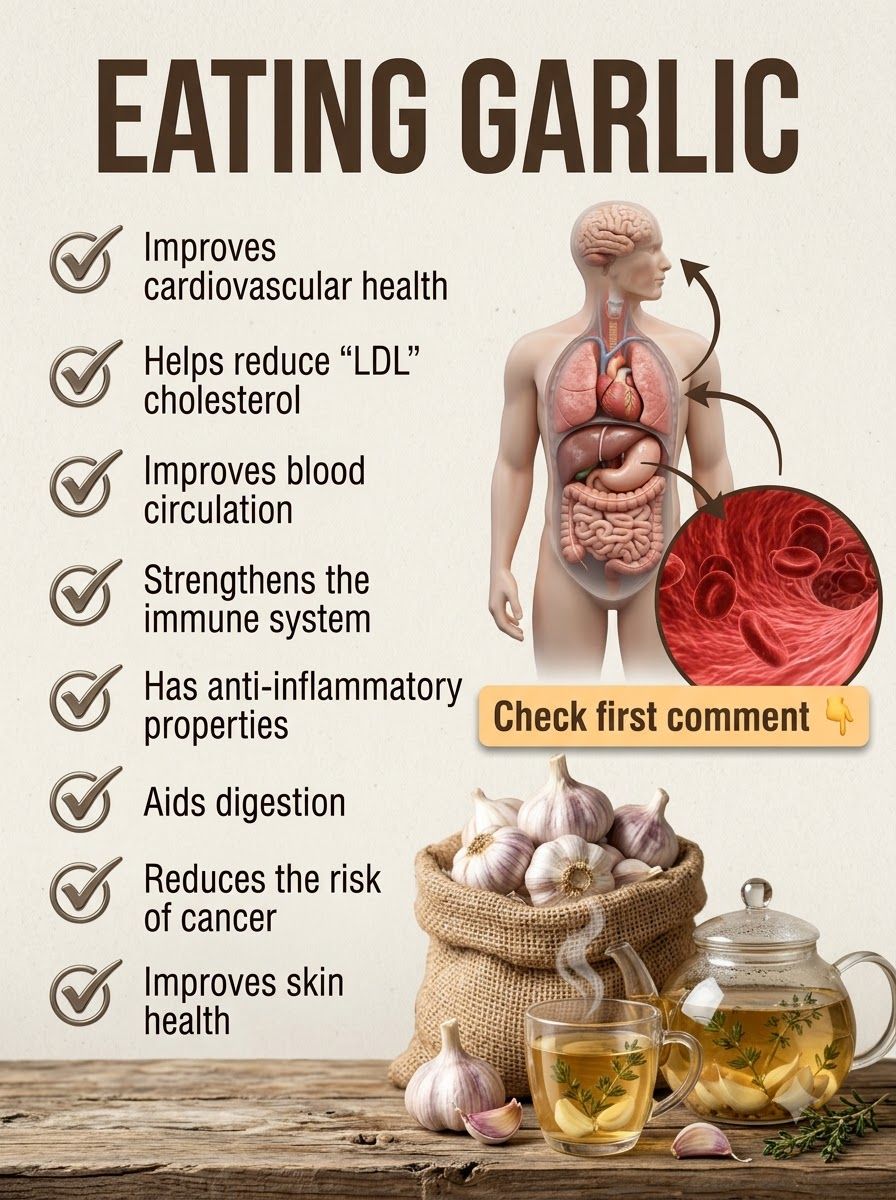
8 Health Benefits of Eating Garlic Daily
Garlic, a staple in culinary practices around the world, has been celebrated for its potential health benefits for centuries. Packed with nutrients and sulfur-containing compounds, this flavorful ingredient not only enhances the taste of dishes but may also provide significant health advantages. In this article, we will explore eight potential health benefits of eating garlic every day and how to easily integrate it into your daily meals for maximum impact.
1. Garlic and Cardiovascular Health
One of the most significant benefits of garlic is its potential support for cardiovascular health. Several studies have pointed out a relationship between garlic consumption and various cardiovascular risk factors, including blood pressure and blood lipid levels. Garlic contains compounds that may assist in relaxing blood vessels and improving blood flow. While garlic alone cannot prevent heart disease, incorporating it into a heart-healthy diet rich in vegetables, fruits, whole grains, and healthy fats can be beneficial.
Understanding How Garlic Affects Blood Pressure
Research suggests that garlic supplements may help lower systolic and diastolic blood pressure in individuals with hypertension. The active compound allicin, released when garlic is crushed, has been shown to promote vasodilation, which can improve overall circulation. However, it’s essential to consult with a healthcare professional before considering high doses of garlic supplements for managing blood pressure.
2. Maintaining Healthy Cholesterol Levels
Garlic may also play a role in maintaining healthy cholesterol levels. Studies have indicated that daily consumption of garlic can lead to modest reductions in LDL cholesterol, often referred to as “bad” cholesterol. High levels of LDL cholesterol can increase the risk of heart disease, making it crucial to manage these levels effectively.
Incorporating Garlic in Your Diet for Cholesterol Management
Incorporating fresh garlic into dishes such as salads, soups, sauces, and marinades can enhance flavor while providing heart-health benefits. Although garlic should not replace cholesterol medications or professional medical advice, it can serve as a valuable addition to a dietary strategy aimed at managing cholesterol levels.
3. Supporting Healthy Circulation
Good circulation is vital for overall health as it allows oxygen and nutrients to be efficiently transported throughout the body. Garlic is rich in sulfur compounds and antioxidants, which may contribute to improved vascular function. Regular consumption of garlic may help support normal blood vessel function and healthy blood pressure levels.
Signs of Poor Circulation and the Role of Garlic
It’s critical to be aware of symptoms associated with poor circulation, such as numbness, cold extremities, or persistent swelling. While incorporating garlic into your diet can be part of a strategy for supporting circulation, persistent symptoms should not be ignored and warrant medical attention.
4. Enhancing Immune Function
Garlic has long been associated with immune health, partly due to its reputation as a natural remedy against colds and infections. Allicin and other sulfur compounds in garlic are known for their biological activities that may enhance immune responses. However, it is essential to note that garlic cannot single-handedly “boost” immunity.
Balanced Nutrition and Immune Function
For optimal immune support, a balanced diet rich in vitamins, minerals, and antioxidants is essential. Garlic can complement your nutritional intake, but must be part of a holistic approach that includes adequate sleep, regular physical activity, and proper stress management.
5. Garlic’s Natural Anti-Inflammatory Properties
Garlic contains natural anti-inflammatory compounds that can help in managing inflammation in the body. Chronic inflammation is linked to various health conditions, including heart disease and inflammatory disorders. The sulfur compounds found in garlic may help mitigate excessive inflammatory responses.
Using Garlic in Anti-Inflammatory Diets
Adding garlic to meals not only provides flavor but can also contribute to a well-rounded anti-inflammatory diet. However, it should not be used as a standalone treatment for inflammatory diseases; rather, it should complement a diet rich in fruits, vegetables, lean proteins, and healthy fats.
6. Supporting Digestive Health
Garlic is also recognized for its ability to support digestive health. It contains prebiotic components that serve as food for beneficial gut bacteria, promoting a healthy gut microbiome. However, individual responses to garlic may vary; some individuals may experience digestive discomfort when consuming raw garlic.
Tips for Incorporating Garlic for Digestive Wellness
To reap the digestive benefits of garlic, begin by incorporating small amounts into cooked dishes. Cooking garlic can make it easier to digest, thus minimizing potential discomfort that may arise from raw consumption.
7. Exploring Garlic and Long-Term Health
Garlic has been studied for its potential links to long-term health outcomes, particularly concerning cardiovascular disease and certain types of cancer. Observational research suggests that higher consumption of allium vegetables like garlic may correlate with lower disease rates. However, it is essential to recognize that such associations do not imply direct causation.
The Need for Further Research
While preliminary studies are promising, more high-quality human research is necessary to conclusively define garlic’s role in disease prevention. It’s important to focus on comprehensive health strategies that include maintaining a healthy lifestyle and participating in regular screenings.
8. Practical Ways to Include Garlic in Your Diet
Incorporating garlic into your daily meals is simple and brings numerous health benefits. Here are some practical ways to add garlic to your diet:
- Raw in Dressings: Mince raw garlic and add it to salad dressings for a flavorful kick.
- Cooked in Dishes: Sauté garlic in olive oil before adding vegetables or proteins to enhance flavor.
- Garlic Powder: Use garlic powder as a seasoning for meats, seafood, and roasted vegetables.
- Soups and Broths: Add chopped garlic to soups and broths for depth of flavor and health benefits.
- Infused Oils: Create garlic-infused oils to use in cooking or as a dip for bread.
When incorporating garlic into your diet, aim for moderation, as excessive consumption may lead to digestive discomfort for some individuals.
Conclusion
In conclusion, garlic is more than just a culinary ingredient; it offers a wealth of potential health benefits. From supporting cardiovascular health to enhancing digestive wellness, the use of garlic in daily meals can contribute positively to overall health. However, it is crucial to approach garlic as part of a balanced diet and healthy lifestyle rather than as a standalone remedy. With a variety of ways to enjoy this flavorful bulb, you can easily reap the health benefits of garlic by making it a regular part of your meals.