
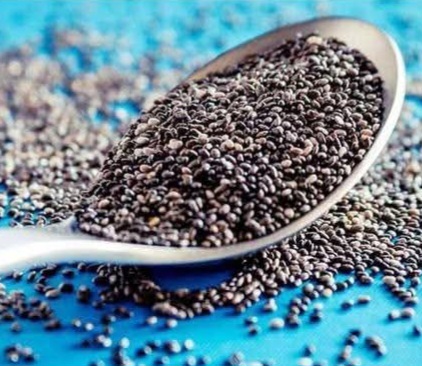
Chia seeds are often praised as a superfood, but like any food, they can have side effects—especially if consumed in large amounts. Here are 6 chia seed side effects you should know about:
1. Digestive Issues
Chia seeds are very high in fiber (about 10g per 2 tablespoons). Eating too many can cause:
- Bloating
- Gas
- Constipation
- Diarrhea
If you’re not used to high-fiber foods, introduce chia seeds gradually and drink plenty of water.
2. Risk of Choking
Chia seeds absorb up to 10–12 times their weight in water. If eaten dry and followed by water, they can swell in your throat and cause choking.
Tip: Always soak chia seeds before consuming, or mix them well into moist foods like yogurt or smoothies.
3. May Lower Blood Pressure Too Much
Chia seeds contain omega-3 fatty acids, which can help lower blood pressure. While this is usually beneficial, it may be risky for people already taking blood pressure medications.
If you’re on medication for hypertension, consult your doctor before increasing chia seed intake.
4. Blood Thinning Effects
The omega-3s in chia seeds may act as natural blood thinners. If you take anticoagulant medications (like warfarin), large amounts of chia seeds could increase bleeding risk.
5. Allergic Reactions
Though rare, some people may experience:
- Skin rashes
- Hives
- Watery eyes
- Breathing difficulty
If you notice allergic symptoms, stop consuming chia seeds and seek medical advice.
6. May Cause Stomach Pain in Some People
Due to their high fiber and fat content, chia seeds can trigger abdominal discomfort or cramps in sensitive individuals.
How to Eat Chia Seeds Safely
- Start with 1 tablespoon per day
- Drink plenty of water
- Soak before eating
- Consult your healthcare provider if you have medical conditions
When eaten in moderation, chia seeds are generally safe and highly nutritious. The key is balance and proper preparation.