
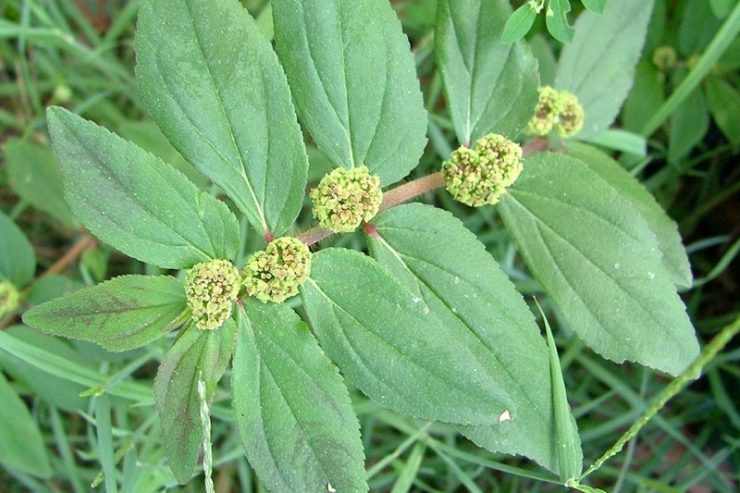
The Asthma Plant Tea: Health Benefits and Uses of Euphorbia Hirta
Known for its impressive medicinal properties, Euphorbia hirta, commonly referred to as asthma plant, snakeweed, tawa-tawa, or gatas-gatas, has gained recognition as a potent natural remedy. This herb, extensively utilized in traditional medicine particularly across Asia and Africa, is renowned for its substantial support of respiratory health. Among its various forms, Asthma Plant Tea stands out as a particular preparation rich in health benefits, making it a preferred choice for individuals seeking natural solutions for respiratory ailments, including asthma and bronchitis.
Understanding Euphorbia Hirta and Its Traditional Uses
Euphorbia hirta is a herbaceous plant often found in tropical and subtropical regions. Its significance in traditional medicine cannot be overstated. Known as the “asthma plant,” it has a long history of use for alleviating respiratory issues, thanks to its active compounds that support lung function and immune response.
Historical Context
In traditional practices, particularly in parts of Asia and Africa, the leaves of Euphorbia hirta are used to create a herbal infusion that is consumed to relieve symptoms of respiratory disorders, digestive issues, and skin problems. Historically, this plant has been an essential part of herbal healing traditions, with various cultures recognizing its therapeutic potential.
Health Benefits of Asthma Plant Tea
Asthma Plant Tea derived from Euphorbia hirta is lauded for its numerous health benefits. Below are some key properties that highlight why this tea should be part of your natural wellness arsenal.
1. Promotes Respiratory Health
One of the most compelling reasons to drink Asthma Plant Tea is its ability to support respiratory health. Traditionally used for treating asthma symptoms, it works effectively as a bronchodilator, opening up the airways and making breathing easier. This tea is particularly beneficial for those suffering from:
- Asthma
- Bronchitis
- Chronic coughs
- Wheezing
- Chest tightness
By alleviating these symptoms, Euphorbia hirta allows individuals to manage respiratory conditions in a more natural and accessible manner.
2. Natural Expectorant
Asthma Plant Tea serves as an effective natural expectorant, helping to clear mucus and phlegm from the lungs. This property is significant for those who struggle with persistent coughs, as it can:
- Reduce excessive coughing
- Soothing the irritated linings of the respiratory tract
By promoting efficient mucus expulsion, it provides relief during respiratory infections and allergies.
3. Anti-inflammatory and Antiviral Properties
Another notable characteristic of Euphorbia hirta is its strong anti-inflammatory effects. This herb contains several active compounds such as flavonoids and triterpenoids, which are believed to exert potent anti-inflammatory actions. These properties not only make it beneficial for often occurring respiratory problems but also help in:
- Reducing inflammation in the body
- Assisting in the treatment of viral infections, including dengue fever in some traditional practices
The anti-inflammatory action can also be valuable for individuals dealing with allergies and other inflammatory conditions.
4. Anti-Allergic Effects
Asthma Plant Tea may also help in relieving allergic reactions including allergic rhinitis and hay fever. By stabilizing the immune response, it aids in:
- Reducing allergy symptoms
- Improving respiratory function in those suffering from allergies
This adds another layer of versatility to its health benefits, making it an appealing remedy during allergy season.
5. Diuretic and Detoxifying Properties
Asthma Plant Tea is recognized for its mild diuretic properties, encouraging increased urine production and aiding in detoxification. This function can be helpful for:
- Flushing out toxins from the body
- Managing urinary tract infections
- Supporting kidney health
By promoting detoxification, this tea contributes to overall well-being.
6. Antibacterial and Antifungal Activities
This herb is also effective against various pathogens responsible for gut infections and skin ailments. Traditional uses include treating:
- Intestinal worms
- Dysentery
Euphorbia hirta shows potential in combating infections, making it a valuable addition to natural health strategies.
7. Wound Healing and Skin Health
Applying the tea or the plant externally may aid in treating skin issues such as wounds, rashes, and insect bites. This makes Asthma Plant Tea not only a remedy for internal conditions but also a topical treatment for:
- Minor cuts
- Skin irritations
- Insect bites
How to Make Asthma Plant Tea
Asthma Plant Tea can easily be prepared at home using dried or fresh plant material. Below is a simple recipe to guide you through the process:
Ingredients
- 1–2 teaspoons of dried Euphorbia hirta leaves or 1 small handful of fresh leaves and stems
- 1–2 cups of boiling water
- Optional: Honey or lemon for taste
Instructions
- Wash the fresh plant material thoroughly to remove any dirt or impurities.
- Steep the plant in hot water for 10–15 minutes.
- Strain the tea into a cup.
- Add honey or lemon per your taste preference, if desired.
- Drink 1–2 cups per day for 7–10 days to experience the therapeutic effects.
Precautions and Considerations
While Asthma Plant Tea possesses remarkable health benefits, it is essential to use it wisely to avoid potential complications.
Key Precautions
- Consume in moderation: Excessive intake can lead to gastrointestinal upset due to the plant’s latex-like sap.
- Avoid during pregnancy and breastfeeding: There is insufficient research on the safety of Euphorbia hirta in these conditions.
- Source the herb responsibly: Always seek products grown in chemical-free environments to avoid contamination.
- Consult a healthcare provider: Especially if you are undergoing treatment for chronic conditions or are on medication.
Conclusion: Embracing Natural Healing with Asthma Plant Tea
Asthma Plant Tea, derived from the potent herb Euphorbia hirta, offers a plethora of health benefits ranging from support for respiratory health to acting as a natural expectorant. With its anti-inflammatory, antimicrobial, and skin-healing properties, it’s evident why this tea has been embraced in traditional medicine.
Incorporating Euphorbia hirta into your daily regimen can pave the way for improved respiratory function and overall health. However, it is crucial to consume it responsibly and stay informed about its usage. By doing so, you can harness the power of this remarkable herb while nurturing your journey toward natural wellness.