
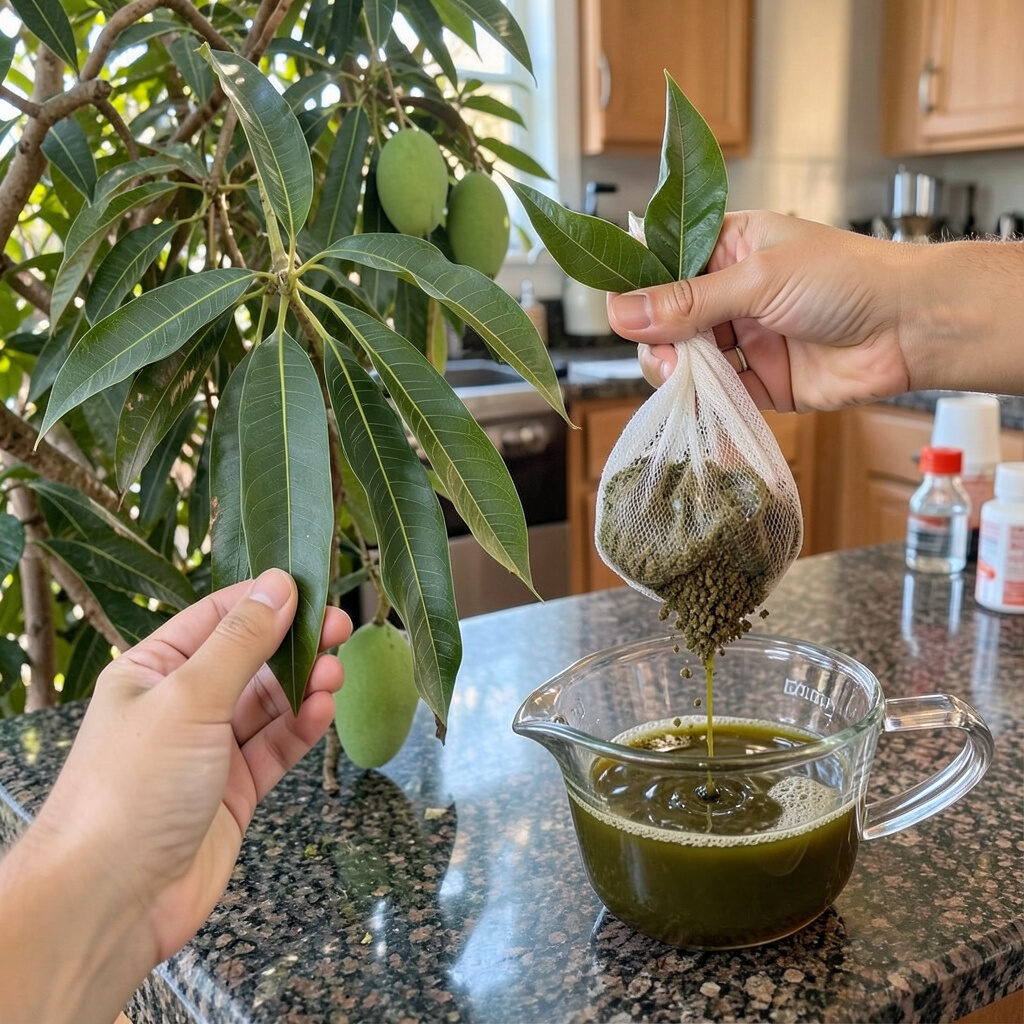
Unlocking the Wellness Potential of Mango Leaves and Mango Leaf Juice
As the world increasingly turns towards natural remedies and wellness solutions, mango leaves and their juice have emerged as powerful contenders. Packed with essential nutrients and medicinal properties, these often-overlooked parts of the mango tree offer a plethora of health benefits. In this article, we will explore the nutritional value of mango leaves, their potential health benefits, and practical methods to incorporate mango leaf juice into your wellness routine.
Nutritional Value of Mango Leaves
Mango leaves, scientifically known as Mangifera indica, possess remarkable nutritional profiles that contribute to their health benefits. Let’s delve into the vital components found in mango leaves:
- Vitamins: Mango leaves are rich in various vitamins, including vitamin C, vitamin A, and several B vitamins, which all play essential roles in supporting the immune system, promoting skin health, and improving energy metabolism.
- Minerals: These leaves are a source of vital minerals such as calcium, potassium, and magnesium, which are crucial for maintaining healthy bones, regulating blood pressure, and supporting muscle function.
- Antioxidants: Mango leaves contain a range of antioxidants, including flavonoids and polyphenols, which help combat oxidative stress and inflammation in the body.
- Dietary Fiber: The presence of dietary fiber in mango leaves aids in maintaining digestive health, regulating blood sugar levels, and supporting overall gut function.
Health Benefits of Mango Leaves
1. Rich Source of Antioxidants
The high levels of antioxidants found in mango leaves help protect the body from free radicals that can cause chronic diseases. Regular consumption of mango leaf juice may aid in preventing various health issues, including heart disease and certain types of cancer.
2. Blood Sugar Regulation
Mango leaves have been traditionally used in many cultures as a natural remedy for diabetes management. The extracts from these leaves are believed to improve insulin functionality and lower blood sugar levels. Drinking mango leaf juice may help those with diabetes maintain better control over their condition.
3. Respiratory Health
The anti-inflammatory properties of mango leaves can provide relief from common respiratory issues, such as asthma and bronchitis. Inhaling steam infused with mango leaves or consuming the juice may soothe the airways and reduce irritations.
4. Aids in Weight Loss
Mango leaf juice may also play a role in weight management. The compounds in the leaves help increase metabolism and fat burning while the dietary fiber promotes prolonged feelings of fullness, aiding in weight loss efforts.
5. Skin Health
Externally and internally, mango leaves support skin health. Antioxidants and vitamins found in the leaves can help fight acne, reduce blemishes, and promote a clearer complexion. Applying a paste of crushed mango leaves can provide soothing relief for skin irritations.
How to Incorporate Mango Leaf Juice into Your Diet
With numerous health benefits at your disposal, incorporating mango leaf juice into your diet can be an exciting endeavor. Here’s how you can enjoy this nutritious juice:
1. Preparing Mango Leaf Juice
Making mango leaf juice at home is straightforward. Here’s a simple recipe:
- Ingredients: 10-15 fresh mango leaves, 2 cups of water, juice of half a lemon (optional), honey to taste (optional).
- Instructions:
- Wash the mango leaves thoroughly to remove any dirt or impurities.
- In a blender, add the chopped leaves and water. Blend until smooth.
- Strain the mixture through a fine sieve into a glass to separate the juice from the pulp.
- Add lemon juice or honey for taste if desired.
- Serve chilled and store any leftover juice in the refrigerator for up to two days.
2. Other Applications of Mango Leaves
Besides juice, mango leaves can be used in various ways to enhance your health:
- Herbal Tea: Boil mango leaves in water to create a soothing herbal tea that can be consumed daily for added benefits.
- Infusions: Infuse mango leaves into warm water for a refreshing beverage that can be enjoyed throughout the day.
- Culinary Uses: Dried mango leaves can be used to flavor various dishes, lending their unique taste to soups and stews.
Precautions When Using Mango Leaves
While mango leaves are generally safe for consumption and offer numerous health benefits, some precautions should be observed:
- Always use fresh and clean leaves to avoid contamination.
- Consult with a healthcare provider before using mango leaves as a remedy, especially if you are pregnant, nursing, or have pre-existing health conditions.
- Start with small amounts to assess your body’s response before increasing intake.
Conclusion
In summary, the wellness potential of mango leaves and their juice is immense. Their rich nutritional profile and diverse health benefits make them a valuable addition to your wellness routine. By incorporating mango leaf juice and other preparations into your daily diet, you can unlock the myriad ways these leaves can enhance your health and well-being. Embrace the power of nature by making mango leaves a staple in your health arsenal!