
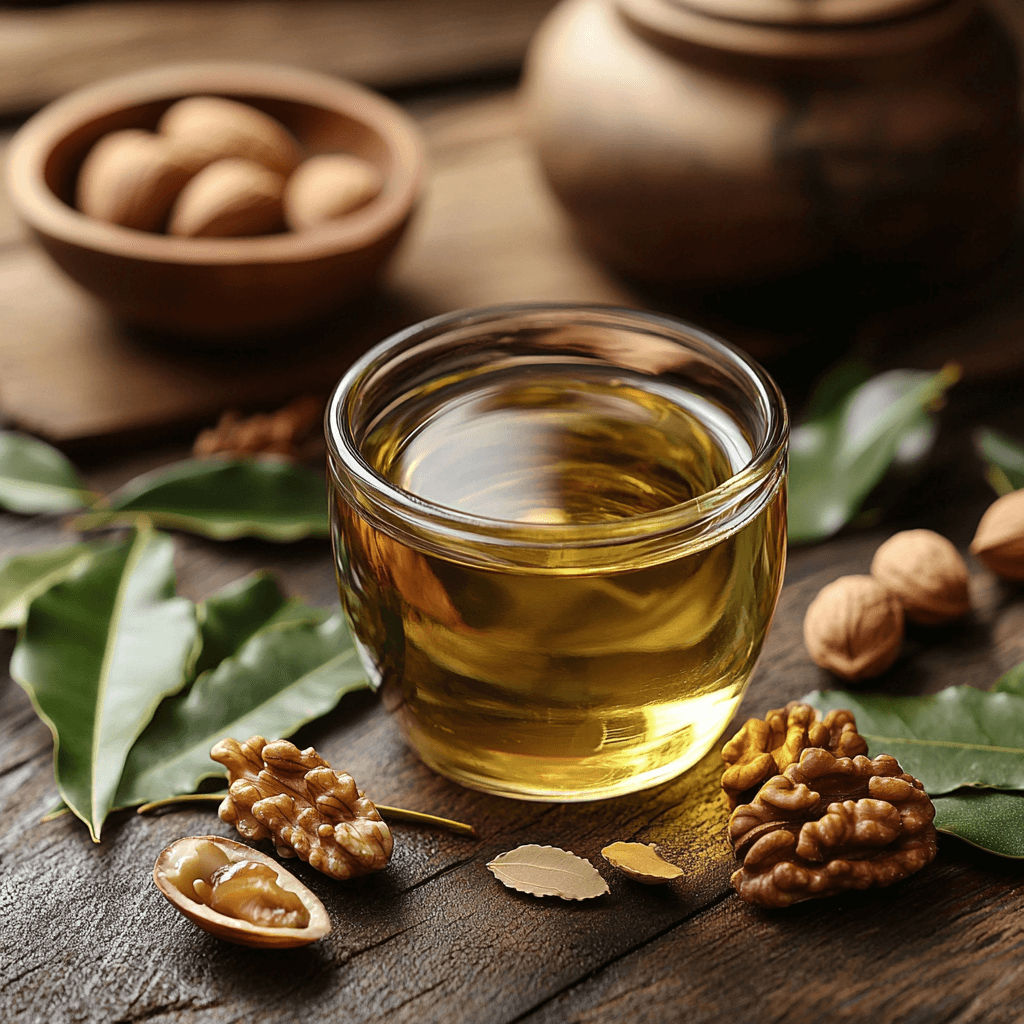
Discover the Hidden Benefits of Walnut Leaves and Green Husks
When it comes to the walnut tree, most of us are familiar with the delicious nuts that it produces. However, many are unaware that the leaves and green husks of the walnut tree are also brimming with potential benefits. From traditional herbal practices to natural dyeing methods, these often-overlooked parts of the walnut tree have surprising uses that can enrich our lives. In this article, we will explore the intriguing properties of walnut leaves and green husks, their health benefits, and how you can utilize them effectively at home.
Understanding Walnut Leaves: Nutrient-Rich Natural Treasures
Walnut leaves are more than just byproducts of walnut harvesting; they are rich in a variety of natural compounds that have been utilized in traditional herbal medicine for centuries. Key components found in walnut leaves include:
- Tannins: Known for their astringent properties, tannins make walnut leaves particularly interesting for skin care.
- Flavonoids: These compounds boast strong antioxidant properties that can help combat oxidative stress.
- Phenolic Acids: These acids enhance the overall health benefits of walnut leaf extracts.
Potential Benefits of Walnut Leaves
Scientific studies have begun to uncover the potential benefits associated with walnut leaves. Here are some of the most prominent advantages:
- Antioxidant Properties: Walnut leaf extracts have been shown to neutralize free radicals in various laboratory studies, suggesting that they can act as powerful antioxidants.
- Traditional Skin Care: Traditionally, walnut leaves were used in herbal washes due to their astringent qualities, making them beneficial for maintaining skin health.
- Antimicrobial Activity: Research indicates that walnut leaf extracts may inhibit the growth of specific microorganisms, showcasing their potential as natural antimicrobial agents.
- Natural Ingredients for Crafts: Their tannin content makes walnut leaves ideal for natural dyeing processes and various craft applications.
How to Prepare a Walnut Leaf Infusion
Creating an infusion from walnut leaves is a simple process that allows you to harness their beneficial properties. Here’s how you can prepare this herbal infusion:
- Ingredients:
- 1 teaspoon of dried walnut leaves
- 250 ml of hot water
- Equipment:
- A clean glass container
- A fine strainer
- Instructions:
- Begin by collecting healthy walnut leaves from an unsprayed tree. Rinse them gently and let them dry in a shaded, ventilated area.
- Crumble the dried leaves into smaller pieces and place one teaspoon in a cup.
- Pour 250 ml of hot water over the leaves, cover the cup, and let it steep for 5–10 minutes.
- Strain the infusion and allow it to cool completely before use.
This infusion can be useful for external applications but should not be applied to broken, inflamed, or sensitive skin.
The Surprising Value of Green Walnut Husks
While most people dispose of green walnut husks after harvesting, these husks are treasure troves of beneficial compounds. The thick green covering encasing walnuts contains:
- Polyphenols: These are potent antioxidants that help protect cells from oxidative stress.
- Tannins: Just like in the leaves, tannins in green husks provide astringent benefits, making them suitable for a variety of uses.
- Juglone: This naturally occurring compound is known for its biological activity, though care should be taken in its application.
Potential Benefits of Green Walnut Husks
Like walnut leaves, green husks offer remarkable benefits:
- Antioxidant Compounds: Studies demonstrate that the polyphenols found in green walnut husks exhibit significant antioxidant activities.
- Natural Antimicrobial Properties: Some extracts of green walnut husks have been shown to exhibit antimicrobial activity against specific bacteria and fungi in lab conditions.
- Natural Pigments: The husks can produce a rich brown dye traditionally used for coloring fabrics, paper, and wood.
- Sustainable Use: Instead of tossing them away, green husks can be repurposed for creative projects, making them both practical and eco-friendly.
How to Make Natural Walnut Husk Dye
Creating a natural dye from green walnut husks is a fantastic way to make use of what would otherwise be waste. Follow these steps to create your own beautiful dye:
- Ingredients:
- A handful of green walnut husks
- Water
- Protective gloves
- Equipment:
- An old stainless-steel pot
- A strainer
- Instructions:
- Collect fallen green walnut husks and ensure they are free from dirt. Remember to wear gloves, as the husks can stain your skin.
- Cut or break the husks into smaller pieces and place them in an old pot. Cover the husks with water.
- Simmer the mixture gently for about 45–60 minutes in a well-ventilated area.
- Once cooled, strain the liquid into a separate container for use as a dye.
- Before using the dye on fabric, test it on a small piece to ensure the desired color is achieved; add more coats or soak longer for a darker shade.
The Scientific Interest Behind Walnut Leaves and Husks
Both walnut leaves and green husks are rich in naturally occurring compounds that have drawn scientific attention. The combination of tannins, flavonoids, and other phenolic compounds contribute to their antioxidant properties. However, it is crucial to approach these natural ingredients with caution:
- Research Status: Much of the current research into the benefits of walnut leaves and husks is still experimental, and findings do not guarantee the same effects in human health.
- Safety Precautions: The presence of biologically active compounds should always be taken seriously.
- Handling Guidelines: When working with green husks, avoid direct contact with skin and ensure to wear gloves to prevent staining.
- Consumption Warning: Do not consume raw green walnut husks, and ensure that any homemade preparations are used externally unless otherwise advised by a healthcare professional.
Final Thoughts: Embrace the Power of Walnut Leaves and Green Husks
Walnut leaves and green husks are exceptional examples of the overlooked potential in nature. These parts of the walnut tree are more than just remnants; they are packed with beneficial compounds that can improve skin health, serve as natural dyes, and enhance various herbal preparations. However, it is still essential to treat them with respect and caution.
By incorporating walnut leaves and green husks into your crafting and wellness practices, you not only gain the benefits they offer but also promote sustainable use of resources, transforming waste into valuable materials. So, the next time you encounter walnut trees, remember that their leaves and husks hold treasures waiting to be discovered!