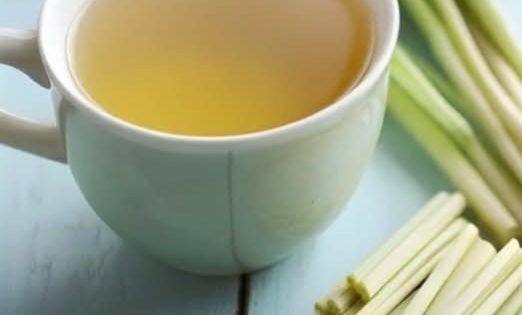
But beyond the citrusy aroma, lemongrass tea has a long reputation in traditional home use for soothing the stomach, easing that heavy post-meal feeling, and bringing a light, calming warmth to the body. It is simple, affordable, and surprisingly versatile, which is why so many households keep coming back to it.Some people also associate lemongrass with circulation and heart wellness. That sounds impressive, but the most realistic reason people drink it is much simpler: it feels clean, gentle, and comforting, especially when digestion feels off or the body feels tense and bloated.Table of ContentsWhat Lemongrass Is Traditionally Used ForIngredientsHow to Prepare Lemongrass TeaHow to Use ItWhy People Drink This HerbWhy It May Feel HelpfulWho May Benefit MostQuick Relief TimelineSafety NotesFinal TakeawayRelated Source ScienceWhat Lemongrass Is Traditionally Used ForLemongrass is commonly brewed as tea for:Digestive discomfortBloating after mealsA heavy or sluggish stomachGentle relaxationWarm hydration during the dayIt is not usually treated as a dramatic cure. Its value comes from being a light herbal tea that fits easily into daily life.That is why people like it. It does not feel harsh. It feels refreshing, soothing, and easy to drink.Lemongrass Tea: A Traditional Remedy for DigestionIngredientsA simple lemongrass tea only needs a few basics.What you need2 fresh lemongrass stalks2 to 3 cups waterOptional if you want a stronger kitchen-style version:A few thin slices of fresh gingerFor a basic traditional cup, plain lemongrass and water are enough.How to Prepare Lemongrass TeaThis remedy is one of the easiest herbal drinks to make.Step 1: Clean the stalksWash the lemongrass well to remove dirt or residue.Step 2: Trim and crushCut off the tough base and any very dry top ends. Slice the stalks into smaller pieces or lightly crush them with the back of a knife. This helps release the fragrant oils.Step 3: Boil the waterAdd the lemongrass to 2 to 3 cups of water and bring it to a gentle boil.Step 4: SimmerLower the heat and let it simmer for about 10 to 15 minutes. This gives the water time to draw out the flavor and plant compounds.Step 5: Strain and serveStrain into a cup and drink warm.If you want a milder tea, use fewer stalks or a shorter simmering time. If you want it stronger, let it steep a few extra minutes after the heat is turned off.How to Use ItLemongrass tea is usually taken in small to moderate amounts.Best times to drink itAfter mealsThis is one of the most common ways people use it. A warm cup after eating can feel especially comforting when the stomach is bloated or sluggish.In the morningSome people enjoy it early in the day because it feels fresh, light, and easier on the stomach than heavier drinks.In the eveningBecause it is naturally caffeine-free, it can also work well as a calming nighttime herbal tea.Why People Drink This HerbThe reason lemongrass stays popular is not just the flavor. It is the overall experience.It feels digestive and lightMany people turn to lemongrass when they feel overly full, puffy, or uncomfortable after meals. It has a clean taste that seems to match that lighter feeling people want.It has a warming but fresh qualityUnlike very spicy herbs, lemongrass feels both warming and refreshing at the same time. That balance makes it easy to drink regularly.It fits simple wellness routinesLemongrass does not require a complicated recipe. That makes it practical for everyday herbal use.It is often linked with circulation and balanceIn traditional wellness talk, lemongrass is sometimes associated with helping the body feel less tense and more balanced overall. While people may connect it with heart wellness, it is better to see it as a general supportive tea rather than a treatment for heart problems.Why It May Feel HelpfulLemongrass is often appreciated because it creates a soothing routine around hydration, warmth, and digestion.A warm herbal tea can help the body relax after eating. The aroma alone can feel calming. And when the stomach is uncomfortable, simple hot herbal drinks often feel easier than heavy foods or sweet beverages.That is probably one reason lemongrass has lasted as a traditional remedy for so long. It offers comfort without being too strong.Who May Benefit MostLemongrass tea may be a good fit for people who:Often feel bloated after mealsWant a simple digestion remedyPrefer fresh-tasting herbal teasNeed a caffeine-free drinkEnjoy gentle home remedies without many ingredientsIt can be especially appealing for people who want a tea that feels cleaner and lighter than richer herbal blends.Quick Relief TimelineThis remedy is usually subtle rather than dramatic.Some people notice a more settled stomach or lighter feeling within 30 minutes to a few hours, especially when the issue is mild bloating after food.For others, the benefit is more about regular use. A simple herbal tea routine may help the body feel more balanced over time, especially when paired with better eating habits, hydration, and slower meals.Safety NotesEven simple herbs deserve a little caution.Lemongrass tea is not a treatment for chest pain, heart disease, ulcers, or severe stomach pain.If stomach discomfort is strong, persistent, or comes with vomiting, fever, or weight loss, it should be checked by a medical professional.Start with a moderate amount if you are trying it for the first time.Pregnant people or anyone with a chronic medical condition should be cautious with frequent herbal remedies.The biggest benefit usually comes from using it as a gentle support drink, not expecting it to fix serious health problems.Final TakeawayLemongrass tea remains popular because it is simple, fresh, and comforting. People commonly drink it for digestive ease, light warmth, and everyday herbal support, especially after meals or during times of bloating.It is one of those remedies that feels almost too basic to matter, yet that simplicity is exactly what makes it so useful.Related Source ScienceLemongrass is valued in traditional wellness because of its aromatic oils and its long use in herbal drinks for comfort and digestion. The most realistic expectation is gentle support: a lighter stomach, a calming cup, and a simple routine that feels easy to return to.
Why People Drink Lemongrass Tea: A Traditional Remedy for Digestion, Warmth, and Everyday Wellness