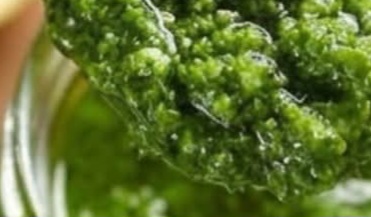
you feel tired, bloated, inflamed, or just “off,” you’re not alone.Modern life drains our energy and leaves our organs working overtime.One gentle plant keeps showing up in traditional remedies and modern research: moringa – the tender green leaves, pods, and powder you see in the image.Most people never realize how powerful moringa is because it looks so simple and “ordinary.”Let’s turn that simple plant into a daily herbal remedy you can actually use.Table of ContentsWhat Moringa Does Inside Your BodyBrain and MoodBlood Sugar and EnergyLiver and Detox SupportDigestion and BloatingJoints and InflammationImmunity and SkinSimple Ways to Use Moringa Daily1. Moringa Leaf Tea (Warm, Gentle Start)2. Moringa Green Paste (Spread, Dip, or Stir-In)3. Cooked Moringa Pods (Comforting Side)When to Drink or Use MoringaWhen You May Notice ChangesWho May Benefit Most from MoringaSafety Notes & Who Should Be CautiousA Gentle Green Ally for Modern LifeWhat Moringa Does Inside Your BodyMoringa leaves and pods are loaded with:Plant proteinCalcium and magnesiumVitamins A, C, and EAntioxidants like quercetin and chlorogenic acidTogether, they support many systems at once.Brain and MoodAntioxidants help protect brain cells from oxidative stress.Magnesium and B-vitamin–rich greens can support calmer nerves and better focus.You may notice clearer thinking and less “brain fog” when moringa becomes a regular part of your routine.Blood Sugar and EnergyCertain compounds in moringa may help your body use sugar more steadily instead of in spikes and crashes.That means fewer mid-day slumps and more balanced energy.Liver and Detox SupportThe green leaves act like a helper for your liver, your main detox organ.Antioxidants assist the liver in breaking down everyday toxins more efficiently.This can translate into less heaviness after meals and a general feeling of being “lighter” in your body.Digestion and BloatingThe fiber in the leaves and pods supports regular bowel movements.Gentler digestion often means less bloating and gas over time.Joints and InflammationMoringa contains plant compounds with natural anti-inflammatory effects.Regular use may help soothe stiff joints and body aches, especially when combined with movement and good sleep.Immunity and SkinVitamin C and beta-carotene (a form of vitamin A) support immune cells.Antioxidants protect skin from damage, helping it look more even and brighter.Simple Ways to Use Moringa DailyYou can see moringa in different forms in the image: fresh leaves, pods, powder, and a green paste. Use whatever you have access to.1. Moringa Leaf Tea (Warm, Gentle Start)You’ll need:1–2 teaspoons dried moringa leaf or powder1 cup hot (not boiling) waterHow to make it:Add the leaves or powder to a mug.Pour hot water over and stir well.Cover and let it steep for 5–10 minutes.Strain if using whole leaves. Sip warm.Best time:Morning or mid-day, especially if you want steadier energy and better focus.Moringa Tea Latte Recipe2. Moringa Green Paste (Spread, Dip, or Stir-In)That jar of thick green paste in the image is a perfect way to “hide” moringa in your meals.You’ll need:1 small handful fresh moringa leaves (or 1–2 teaspoons powder)A spoonful of a healthy fat (like a neutral oil or yogurt)A pinch of salt, if desiredA splash of water, as neededHow to make it:Blend or grind the leaves with the fat and salt.Add a little water until a smooth paste forms.Store in a small jar in the fridge for 2–3 days.How to use it:Stir a spoonful into cooked grains or soups.Spread a thin layer onto savory snacks.Mix into warm dishes right before serving.3. Cooked Moringa Pods (Comforting Side)The sliced green pods in the image are sometimes called drumsticks.Basic method:Wash and cut pods into short pieces.Simmer in water or broth until tender (about 15–20 minutes).Add to stews or serve as a side dish.They bring fiber and gentle plant nutrients to comforting, home-style meals.When to Drink or Use MoringaYou can tailor moringa to your day:Morning:Tea or a small spoon of paste for clear focus and stable energy.With main meals:Cooked pods or a bit of leaf paste stirred into food to support digestion and blood sugar balance.Afternoon slump:A warm cup of moringa tea instead of a sugary snack.Try not to take larger amounts close to bedtime if you notice it feels energizing.When You May Notice ChangesEveryone’s body is different, but as a general guide:Within a few days:Lighter digestionMore regular bowel movementsSlight improvement in energyAfter 2–4 weeks of regular use:Calmer, steadier energy through the dayLess bloating after mealsSubtle shifts in mood and focusAfter 6–12 weeks (with healthy lifestyle habits):Deeper benefits for inflammation, metabolic health, and skin may appear slowly over time.Think of moringa as a daily plant partner, not a magic pill.Who May Benefit Most from MoringaMoringa can be especially supportive for people who:Sit a lot and move less than they’d likeEat rushed, processed mealsExperience mid-day energy crashesNotice frequent bloating or “heavy” digestionWant extra antioxidant support for skin, joints, and general agingSafety Notes & Who Should Be CautiousMoringa is generally well-tolerated when used in food-like amounts, but keep these notes in mind:Start small: ½–1 teaspoon of powder or a few fresh leaves per day, then gradually increase.Too much, too fast may cause loose stools or stomach discomfort.If you are pregnant, breastfeeding, taking blood pressure or blood sugar medication, or have a chronic condition, talk with your healthcare provider before using concentrated moringa daily.Listen to your body. If something feels off, reduce the amount or pause and seek medical advice.Herbs are helpers, not replacements for prescribed treatment.A Gentle Green Ally for Modern LifeMoringa is one of those rare plants that can slip quietly into your daily meals while supporting your brain, gut, liver, joints, and skin all at once.Start simple: a warm cup of moringa tea or a spoonful of green paste stirred into your favorite dish. Give your body a few weeks to respond.Save this guide if you want to try moringa later
How To Use The Moringa Leaf Remedy That Quietly Nourishes Your Whole Body