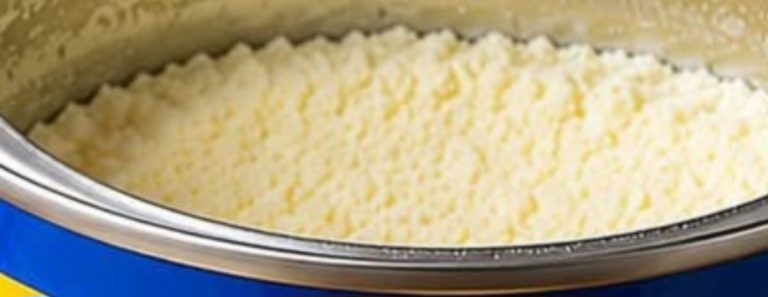
What Is Powdered Milk?Powdered milk, also known as dried milk, is made by evaporating the moisture from regular milk until only dry solids remain. This process extends shelf life and makes transportation easier.There are several types of powdered milk available:Whole powdered milkSkimmed powdered milkInstant milk powderInfant formulaFortified milk powders with added vitamins and mineralsWhen mixed with water, powdered milk closely resembles fresh milk in taste and nutritional content.Nutritional Value of Powdered MilkPowdered milk still contains many nutrients naturally found in dairy products, including:ProteinCalciumVitamin DPotassiumPhosphorusVitamin B12These nutrients support:Bone healthMuscle maintenanceEnergy productionNervous system functionFor people with limited access to fresh milk, powdered milk can be a practical alternative.Why Some Experts Recommend ModerationAlthough powdered milk can be nutritious, some health professionals recommend consuming it in moderation, especially highly processed or sweetened versions.1. Added Sugars and Artificial IngredientsSome commercial powdered milk products contain:Added sugarFlavor enhancersArtificial colorsHydrogenated fatsFrequent consumption of heavily processed products may contribute to:Weight gainBlood sugar spikesIncreased calorie intakeReading labels carefully is important.2. Ultra-Processed Food ConcernsMany nutrition experts encourage limiting ultra-processed foods in general. Certain milk powders undergo extensive industrial processing that may reduce some natural compounds found in fresh milk.A diet based heavily on ultra-processed foods has been associated with various long-term health concerns when combined with poor lifestyle habits.Does Powdered Milk Cause Health Problems?There is no strong scientific evidence proving that moderate powdered milk consumption is inherently dangerous for healthy individuals. However, excessive intake or reliance on low-quality products may not be ideal.Potential concerns depend on factors such as:Overall diet qualityExisting health conditionsSugar contentFat contentIndividual lactose tolerancePeople with lactose intolerance or dairy allergies should consult a healthcare professional before consuming dairy products.Powdered Milk vs Fresh MilkFresh Milk BenefitsFresh milk may offer:A more natural tasteFewer additivesMinimal processingHigher freshnessPowdered Milk BenefitsPowdered milk provides:Longer shelf lifeEasy storageLower cost in some regionsConvenience for travel and cookingBoth can fit into a healthy diet when consumed appropriately.How to Choose a Better Powdered MilkIf you consume powdered milk regularly, consider these tips:Check the Ingredient ListChoose products with:Fewer additivesNo added sugarsMinimal artificial ingredientsPrefer Fortified OptionsSome products are fortified with:CalciumVitamin DIronZincThese may help support nutritional needs.Watch Portion SizesEven healthy foods should be consumed in balance. Avoid excessive intake of sweetened milk beverages and desserts made with powdered milk.Healthy Alternatives to ConsiderIf you want to diversify your diet, you may also consider:Fresh milkYogurtKefirPlant-based beverages like oat or almond milkCheese in moderationA varied diet rich in whole foods is generally recommended for long-term wellness.Final ThoughtsPowdered milk remains a practical and nutritious option for millions of people worldwide. While some experts encourage caution regarding ultra-processed foods and added sugars, moderate consumption of quality powdered milk is generally considered safe for most healthy adults.The key is balance: choosing better-quality products, maintaining a nutritious diet, and avoiding excessive processed foods overall.Rather than fearing a single ingredient, focusing on healthy eating habits and informed choices can make the biggest difference in supporting overall well-being.
Powdered Milk and Health: What Doctors Want You to Know About Daily Consumption